
How to Find Books for Kids That They Will Actually Love Reading
Overview
Helping Young Readers Discover Their Next Great Book
Have you ever stood in a bookstore aisle, staring at shelves packed with colorful covers, and felt totally stuck? You want to find the perfect books for kids, but there are just too many choices. Between picture books, chapter books, middle grade novels, and young adult reads, the options can feel endless. And honestly, that overwhelm is real.
Here is the thing. The volume of new children’s books coming out each year keeps growing. Parents, teachers, and even librarians often hit a wall when trying to pick something a child will actually enjoy. You worry about age-appropriateness. You wonder if the story reflects a diverse enough world. And you definitely want quality writing that holds a kid’s attention past page two.
That is why I put this guide together. You do not need to guess anymore. This article combines expert insights from trusted sources with practical strategies to help you find books kids will love. And the good news? You already have a head start.
One of the easiest ways to cut through the noise is to look at award winners. Every year, the American Library Association announces the Youth Media Awards, including the Newbery Medal, Caldecott Medal, and Coretta Scott King Book Awards.
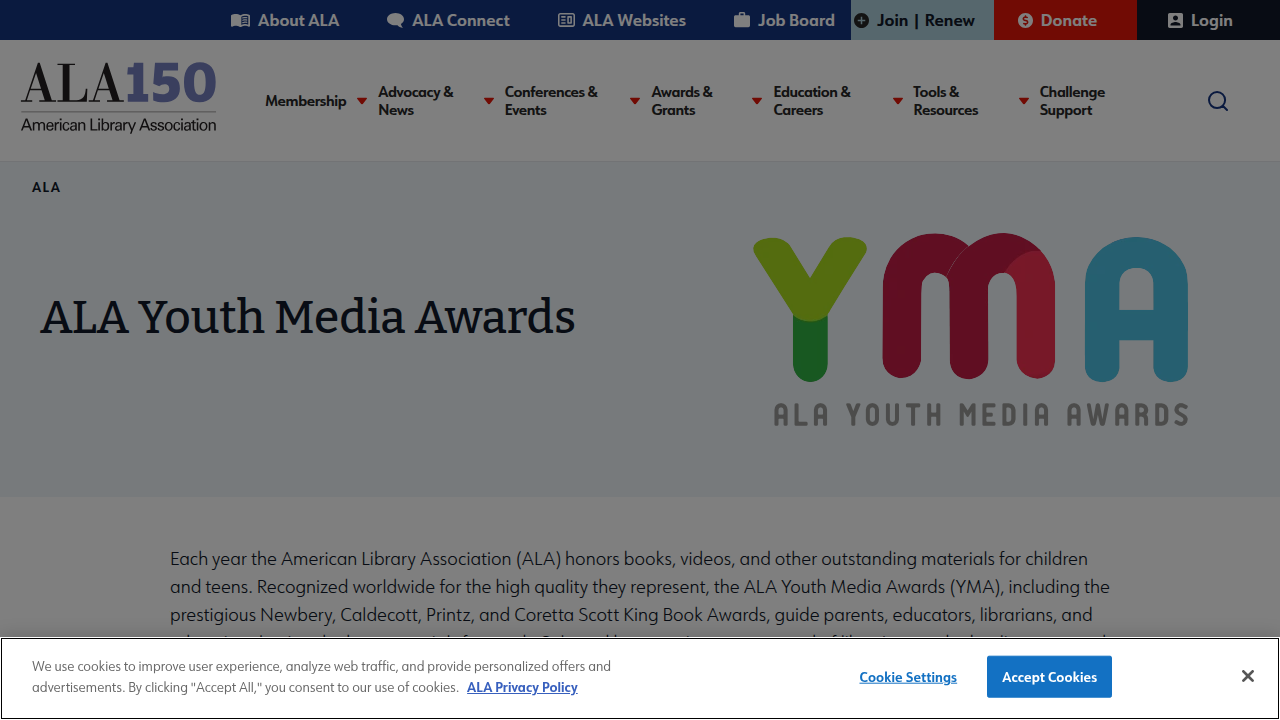
These honors highlight the very best books for children and young adults. The 2026 Youth Media Award winners include outstanding titles in every category, from early readers to teen fiction. These books are vetted by experts who care about literary quality, diversity, and kid appeal.
Award lists are a great starting point, but they are not the only path. Maybe you have a child who loved the Redwall series and now wants something with similar adventure. Or maybe a tween just finished The Summer I Turned Pretty book and needs another heartfelt contemporary story. For older teens, the best YA dystopian novels offer gripping plots and big ideas. And for fans of mystery, Holly Jackson books deliver twisty, page-turning thrills.
The point is, matching kids with the right book comes down to knowing their interests and having a few trusted places to look. Whether you are shopping for a reluctant reader or a kid who devours everything in sight, this guide will walk you through it step by step.
If you want to discover more authors to add to your family’s reading list, check out our roundup of 10 must-read authors in fiction and fantasy for your next great book. Many of these writers have series that work beautifully for young readers too.
Let us move on now. The next section breaks down how to choose the right book for each age group. No more guessing, no more wasted money on books that sit unread.
Understanding Reading Levels and Age Appropriateness
Now that you know where to start looking, let’s talk about one of the trickiest parts of choosing books for kids: picking something that actually fits the child. A book can have a great story, but if it is too hard to read or too young in theme, it will just collect dust.
Here is the thing you really need to know. Books must match a child’s developmental stage, not just their age. Every kid learns at their own pace, and that is totally normal.
According to Understood.org, children develop reading skills at different speeds, so your 8-year-old might not be on the same exact timetable as their friend.
Reading levels like Lexile and Guided Reading can help you narrow things down. These tools tell you roughly how complex the words and sentences are. But they are not the only thing that matters. A book that scores at the right reading level can still be boring or confusing if the topic does not interest the child. And a book that seems a little above their level might work perfectly if they are excited about the story.
Think about it this way. A child who loves the Redwall books might want to try a longer, more challenging adventure novel next. But the same book would overwhelm a kid who is still building basic reading confidence. You have to look at both the numbers and the child’s passion.
This is where understanding developmental milestones helps. For a young toddler, large clear pictures and simple sounds are the goal. As kids grow, they start to retell familiar stories and understand that text has meaning. Later, they can handle chapter books with complex plots. The CDC provides a helpful list of milestones to give you a sense of what to expect at each age.
But here is the catch. Even if a child can technically read the words in, say, a Holly Jackson mystery novel, that does not mean they are ready for the mature themes. That is why knowing the child’s emotional and social development matters just as much as their reading level.
The sweet spot is where ability meets interest. A kid who is totally hooked on a series will push through harder text to find out what happens next. That is the magic. So use reading levels as a guide, but let passion lead the way.
If you want to explore series that match different reading stages, check out our list of books like Percy Jackson for middle grade readers who love adventure and mythology.
Ages 0–3: Board Books and Sensory Stories
Let’s be real for a second. The book you hand to your baby or toddler is likely going to end up in their mouth. It might get slammed shut on tiny fingers. It will probably get drooled on. That is all completely normal. It is how the youngest kids explore and learn about the world. That is exactly why board books are the perfect choice for this age group.
Look for books for kids that are built to last. Board books have thick, sturdy pages that survive rough handling. The best choices for this stage focus on simple illustrations and interactive elements. Think textures to feel, flaps to lift, or bright, simple mirrors. These features turn reading into a hands-on game.
High-contrast images matter a lot here too. A newborn’s vision is still developing, and bold black and white patterns help strengthen their ability to focus. Experts at HealthyChildren.org note that babies as young as 3 months begin to enjoy looking at pictures and imitating sounds.
The real magic at this age is the rhythm of your voice. Reading simple rhymes and repeating phrases helps your baby learn the basic patterns of language. According to Nemours Children’s Health, by 12 months most kids say their first words and begin naming familiar objects. So when you point to a picture of a dog and say "woof," you are building their vocabulary one happy moment at a time.
These first positive experiences with reading build a strong foundation. Your baby learns that books equal love, comfort, and fun. That connection is more important than any reading level.
While your toddler is busy chewing on their board books, you might want to plan ahead for your family’s reading journey. It is never too early to look forward to the next great stories. And for your own reading list, check out our recommendations for timeless classic novels that are perfect for cozy reading in 2026.
Ages 4–7: Picture Books and Early Readers
Now your toddler is a preschooler. And something big starts to happen. They begin to notice that those black marks on the page actually mean something. This is the age where picture books and early readers are the perfect books for kids.
At this stage, stories with strong visual cues are your best friend. The pictures do more than just decorate the page. They help your child figure out what the words say. Look for books with repetitive text and clear, colorful illustrations. According to Reading Rockets, this is the period when kids begin to recognize letters and understand that print carries meaning.
The transition from being read to reading on their own is a huge milestone. Around ages 5 to 7, many children start sounding out simple words. Popular series like Elephant & Piggie and Pete the Cat are great for this. They use short sentences and repeated phrases that build confidence. Your child can actually "read" them after hearing them a few times.
The best part? You are still reading together. You just share the job now. You read one page, they read the next. This shared reading time keeps the joy alive while building their skills.
As your young reader grows, you might want to think about the next big series they will love. For a peek at what is popular for older readers, check out our list of 10 must read authors in fiction and fantasy for your next great book. It is never too early to plan ahead for their reading journey.
Ages 8–12: Middle Grade Fiction
Here is where everything clicks. Your child is now a confident reader. And they are ready for stories with real depth. Middle grade fiction is the sweet spot for books for kids at this age.
These books have true plots with twists and emotional weight. Characters face tough choices. Friendships get tested. Mysteries need solving. According to reading milestones from Understood, kids ages 8 to 12 typically read fluently and can handle complex storylines. Middle grade fiction delivers exactly that.
The genres are wide open. Fantasy series like Redwall build entire worlds to explore. Mystery series hook readers with clues. Contemporary stories tackle real struggles like fitting in. And adventure books keep pages turning fast.
Series are powerful here. Once a child loves a world, they want to stay in it. Readers finish one book and reach for the next. This builds reading stamina without feeling like work. The key is finding a series that matches their interests.
When your middle grader needs their next read, check out our list of books like Percy Jackson to read after you finish the series. It is full of similar adventures that keep the magic alive.
As they grow, they will naturally move toward young adult fiction. Authors like Holly Jackson or titles like The Summer I Turned Pretty and the best YA dystopian novels will be waiting. But for now, let them enjoy these rich middle grade worlds.
Ages 13+: Young Adult Literature
From here, your teen steps into young adult literature. This is a big shift. By age 13, most teens read more critically and can handle mature themes, according to reading milestones from Understood. YA books meet them right where they are.
These stories tackle real problems. Identity, love, loss, and injustice show up on every page. The best YA books do not talk down to readers. They explore hard topics with honesty and heart.
The subgenres are rich. Fantasy like the best YA dystopian novels builds worlds where society itself is the enemy. Romance hits deep, like The Summer I Turned Pretty book series. Thrillers, including holly jackson books, keep readers guessing until the final page. Contemporary realism shows everyday struggles that feel true.
Diverse voices matter more now than ever. YA in 2026 reflects a wide range of backgrounds, cultures, and experiences. Teens see themselves in these pages. They also see lives different from their own.
If your teen loved middle grade series, they will find even more to sink into here. For a next step in their reading journey, check out our list of books for kids growing into the YA world on Fiction and Fantasy Books.
How to Identify High-Quality Children’s Books
So how do you pick a great children’s book? Popularity alone does not tell you much. A book can be a bestseller but still have thin storytelling or weak language. The real signs of quality are deeper.
First, look for strong storytelling and rich language. Does the story pull you in from the first page? Are the words chosen with care? In younger books for kids, the illustrations matter too. Good pictures do not just decorate the page. They add meaning and emotion.
One reliable shortcut is checking award lists. The American Library Association gives out several top honors every year. The Caldecott Medal goes to the best picture book. The Newbery Medal honors the best children’s literature. The Coretta Scott King Book Awards recognize outstanding books by African American authors and illustrators. The 2026 winners are easy to find on the ALA Youth Media Awards page. These awards are a great starting point.
Another tip: listen to peer and expert reviews. Teachers, librarians, and trusted book blogs often share honest opinions. They have read hundreds of titles and know what works. You can also check lists from groups like the Coretta Scott King committee, which has been naming winners since 1970, as seen on TeachingBooks.
Quality does not mean boring. The best children’s books make you laugh, cry, or think. Series like the Redwall books mix adventure with beautiful writing. Young adult novels like The Summer I Turned Pretty or the best YA dystopian novels show that quality can also come with strong emotions and big ideas. Holly Jackson books prove that teen thrillers can be smart and well-crafted.
For more hand-picked recommendations that match these standards, check out our guide to books like Kate DiCamillo for heartfelt, award-worthy reads.
Trust your gut, but use awards and reviews as a shortcut. They will save you time and lead your child to stories that stick.
Criteria for Great Storytelling and Illustrations
You know a book is working when your child begs for "just one more chapter." But what makes a story truly click for young readers?
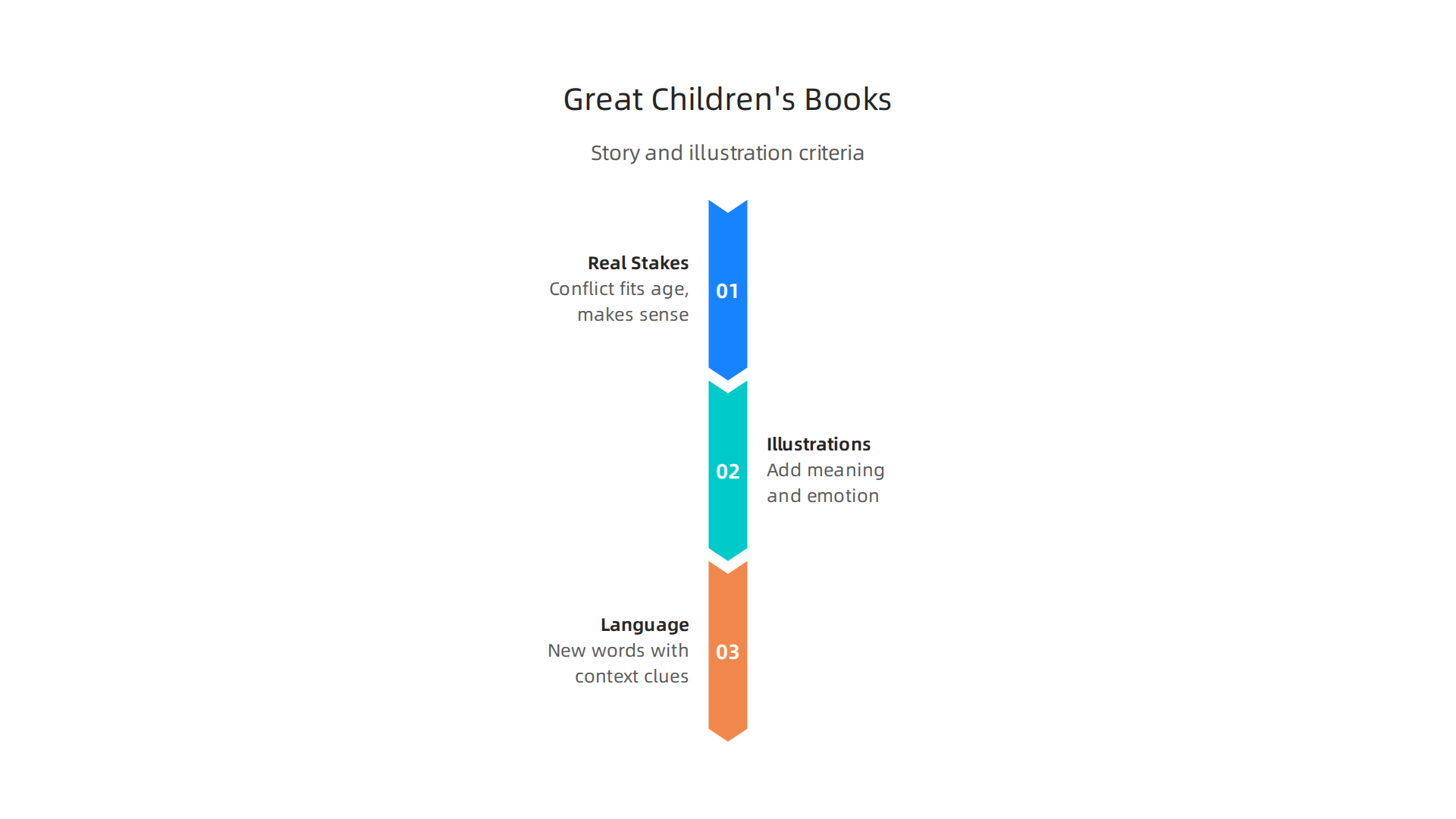
Let’s break it down into three simple things to look for.
A plot with real stakes. Kids are sharper than we give them credit for. They can handle conflict, as long as it fits their age. A picture book might deal with losing a favorite toy. A middle grade novel like the Redwall books throws characters into full adventure mode with battles and tough choices. The key is that the problem gets solved in a way that makes sense. When you are browsing books for kids, check whether the story has a clear beginning, middle, and satisfying end. Age appropriate conflict teaches resilience without overwhelming a child.
Illustrations that do more than decorate. The best picture books use art to tell half the story. Look closely. Do the pictures show emotions the words do not say? Do they hide details your child will spot on the second or third read? That is the magic of great illustration. It turns a passive listener into an active explorer. Many award winners from the 2026 Youth Media Awards are praised for exactly this kind of art and story partnership.
Language that stretches without breaking. You want vocabulary that feels new but not foreign. A book should introduce maybe one or two bigger words per page, with context clues nearby. That is how kids grow their word bank naturally. Authors like Louis Sachar or Kate DiCamillo are masters at this. If you enjoy that style, you can find more picks in our guide to books like Kate DiCamillo for heartfelt, award-worthy reads.
When a book nails all three of these elements, you have found a keeper.
Top Online Resources for Book Discovery and Reviews
Once you know what to look for, the next step is finding those great books. The internet gives us tons of options, but some tools work better than others.
Here are the top places to start your search.
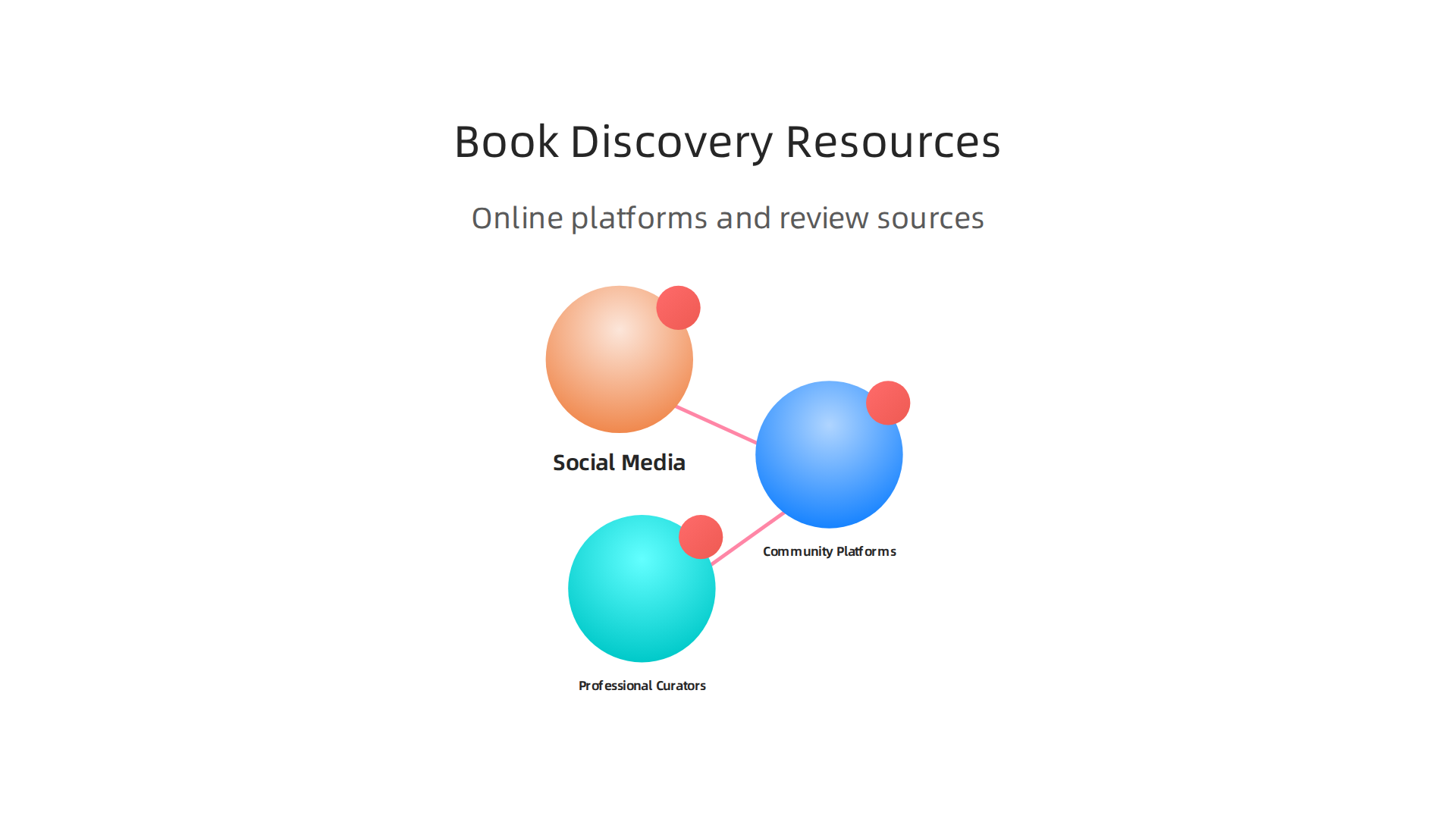
Community driven platforms still lead the way. Goodreads and Amazon are huge for a reason. They let real readers rate and review books, and you can see what other families loved. For younger readers, dedicated sites like Biblionasium let kids share their own recommendations in a safe space. The Children’s Book Council (CBC) is another solid stop. It offers lists from publishers and librarians, so you know the picks are vetted by people who care about books for kids.
Professional review curators save you time. Instead of sifting through hundreds of random reviews, turn to aggregators. The American Library Association publishes the Notable Children’s Books list each year. That is a goldmine for quality. You can also browse curated lists from sites like Reedsy, which rounds up top children’s book review blogs of 2026. These sources filter out the noise and point you straight to award-worthy titles.
Social media now shapes reading choices for older kids. BookTok on TikTok and Instagram’s book community are huge forces. Teens and tweens discover the best YA dystopian novels and trending series like The Summer I Turned Pretty through short video reviews. Holly Jackson books and other mystery thrillers often blow up on these platforms first. It is a fast way to see what actually excites young readers today.
If you are looking for more author focused recommendations, check out our guide to 8 contemporary writers who will become your next favorite author. It covers a range of styles that older kids and teens might enjoy.
Whether you use community lists, professional picks, or social media buzz, each resource helps you discover books that click. Mix and match to build your family’s reading list.
Using Goodreads and Amazon Lists Effectively
Goodreads and Amazon are huge. They have millions of reviews. But if you just search "books for kids," you get everything. The trick is to use their filters and follow the right people.
Start by filtering. On Goodreads, you can choose age groups like "Children’s" or "Young Adult." Then pick a genre. For example, if you want adventure stories like Redwall books, filter by fantasy and age 8-12. On Amazon, you can sort by average rating and see what other customers bought. But ratings alone aren’t everything.
Watch out for paid reviews. Not every five-star review is real. Some authors pay for early praise. That’s why you should cross-reference with professional sources. Check the American Library Association’s Notable Children’s Books list. Or look at the Children’s Book Council for vetted picks. If a book shows up on both Amazon and a pro list, you can trust it more.
Follow librarians and educators. Many of them make public lists on Goodreads. Search for "librarian curated" or "teacher recommended" lists. You’ll find gems like best YA dystopian novels or Holly Jackson books grouped together. These lists save hours of scrolling. If your teen loves the summer I turned pretty book, find a list that compares similar romance series.
Once you know how to filter and double-check, you can find the perfect next read. If you enjoy a certain author style, check out our guide to books like Percy Jackson to read after you finish the series for more age appropriate picks.
Expert Review Sites and Awards
You have now learned how to filter on Amazon and Goodreads. But those sites can still be noisy. That’s where expert review sites and awards come in. They act like a second filter. They save you time and help you find the best books for kids without guesswork.
Start with the pros. Sites like Common Sense Media, Kirkus, and School Library Journal employ actual reviewers. These people know children’s literature. They rate books for age, content, and quality. So if you are searching for something like Redwall books for your 8-year-old, a professional review can confirm the reading level and themes are right.
Award lists are gold standards. The American Library Association’s Notable Children’s Books list is updated every year. It is curated by librarians who read hundreds of books. If a book makes this list, you can trust it. The Children’s Book Council also publishes vetted picks. These lists are perfect for verifying popular choices like Holly Jackson books or finding hidden gems.
Check review blogs too. There are many dedicated children’s book review blogs in 2026. You can find them on lists from Reedsy. These blogs often focus on niches like best YA dystopian novels or the summer I turned pretty book comparisons. They give you honest opinions from real readers.
Use Biblionasium for kid feedback. This site lets kids share their own book recommendations. It is a great way to see what actual children love to read.
Once you find a reviewer you trust, stick with them. They become your guide. If you enjoy discovering new authors, check out our guide to 8 contemporary writers who will become your next favorite author. It might lead you to your child’s next favorite series.
Finding Diverse and Inclusive Books for Kids
Representation in books for kids is more important than you might think. When children see characters who look like them, speak like them, or live in families like theirs, it builds confidence and belonging.
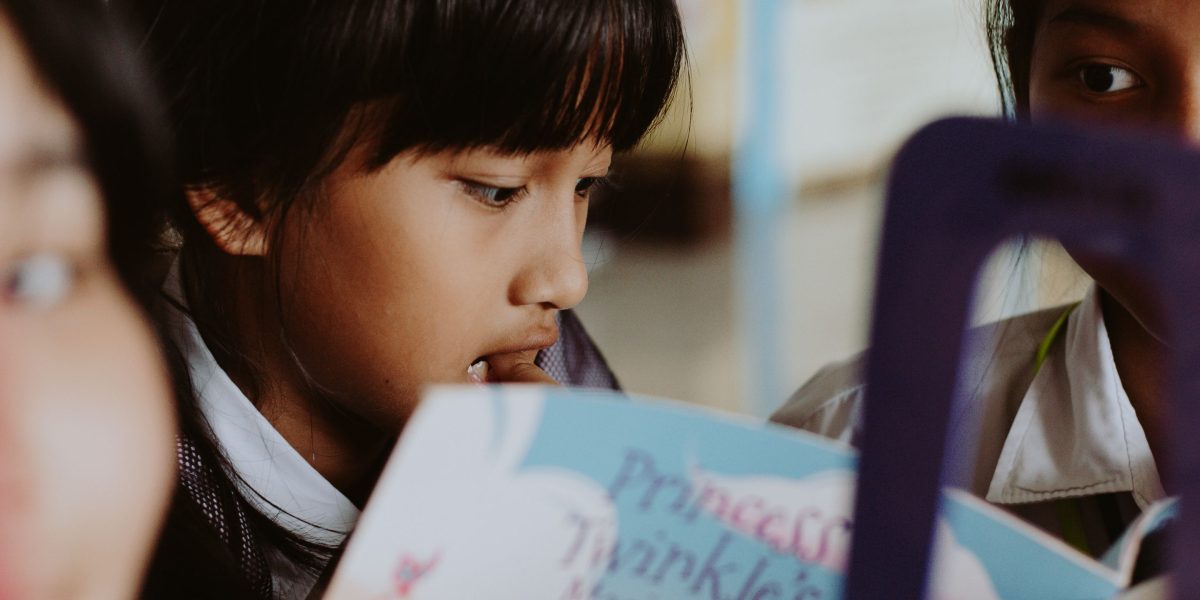
And when they read about kids who are different from them, it builds empathy and understanding.
Diversity goes far beyond race. It includes culture, family structure, ability, religion, and even neurodiversity. A child with a single-parent home should be able to find that reflected. A kid who uses a wheelchair deserves to see themselves in an adventure story. A child navigating a blended family needs to feel normal, too.
The good news is that the publishing world has made real progress. According to the Cooperative Children’s Book Center, the number of books by and about BIPOC characters has jumped significantly thanks to efforts by groups like We Need Diverse Books. But there is still room for growth. In 2022, only 13% of children’s books featured Black or African characters, as reported by WifiTalents. So intentional searching still matters.
Where to find diverse book lists
Start with curated resources. The BookSpring Diverse Children’s Books for 2026 list is updated yearly and covers many kinds of representation. The ALA Notable Children’s Books also includes inclusive picks chosen by librarians.
You can also look for specific genres with diverse characters. If your child loves fantasy, try books like the Percy Jackson series, which features a hero with ADHD and dyslexia. For older readers exploring realistic stories, search for best ya dystopian novels with diverse casts. Or if your teen is into romance, check out the summer I turned pretty book series for a range of family dynamics.
The key is to be intentional. Make diversity a regular part of your book shopping, not an afterthought. For more ideas, explore our list of books like Percy Jackson to find more inclusive fantasy adventures.
When you choose diverse books for kids, you are not just filling a bookshelf. You are opening a world of understanding for your child. And that is a gift that lasts a lifetime.
Why Representation Matters
Think of a book as a door. When you hand your child a story with characters from different backgrounds, you are opening doors to the whole world. This is why diverse books for kids are so powerful.
First, they build empathy. A child reading about a refugee family or a kid with a disability learns to understand feelings different from their own. Organizations like Room to Read emphasize that diverse stories build crucial social emotional skills. The Cooperative Children’s Book Center has tracked diversity in children’s literature for decades, proving how vital these stories are.
Second, representation validates. For an underrepresented child, seeing their life on the page tells them they are valued. They get to be the hero of their own adventure. If your teen loves thrilling stories, checking out best ya dystopian novels or holly jackson books is a great way to find strong, relatable leads.
Ultimately, a broad worldview is a gift. Diverse books create kinder, more curious humans. If you are looking for more ways to expand your child’s horizons, explore our list of must-read fiction and fantasy authors to find your reader’s next favorite series.
Where to Find Diverse Books
So you know why diverse books for kids matter. Now, where do you start looking? The good news is that finding these stories is easier than ever.
Organizations like We Need Diverse Books and Reading While White offer free checklists that highlight excellent titles. Their recommendations are a great way to begin because these groups carefully select books with authentic representation.
Another great spot is your local indie bookstore. These shops often curate collections that mainstream stores miss. The staff can point you to hidden gems you would never find on a bestseller list.
Don’t forget your public library either. Children’s librarians create themed displays that rotate throughout the year. Just ask at the desk and they will show you the best new arrivals.
After you pick up a few recommendations, you can dive deeper. If your child loves fantasy adventures, check out our guide to books like Percy Jackson for more great reads that celebrate diverse heroes.
Building a Home Library on a Budget
Books can get pricey fast. A new hardcover picture book often costs $18 or more. But you do not need to spend a lot to fill your shelves with great books for kids. There are smart ways to build a wonderful home library without breaking the bank.
Here are three budget-friendly strategies that really work.
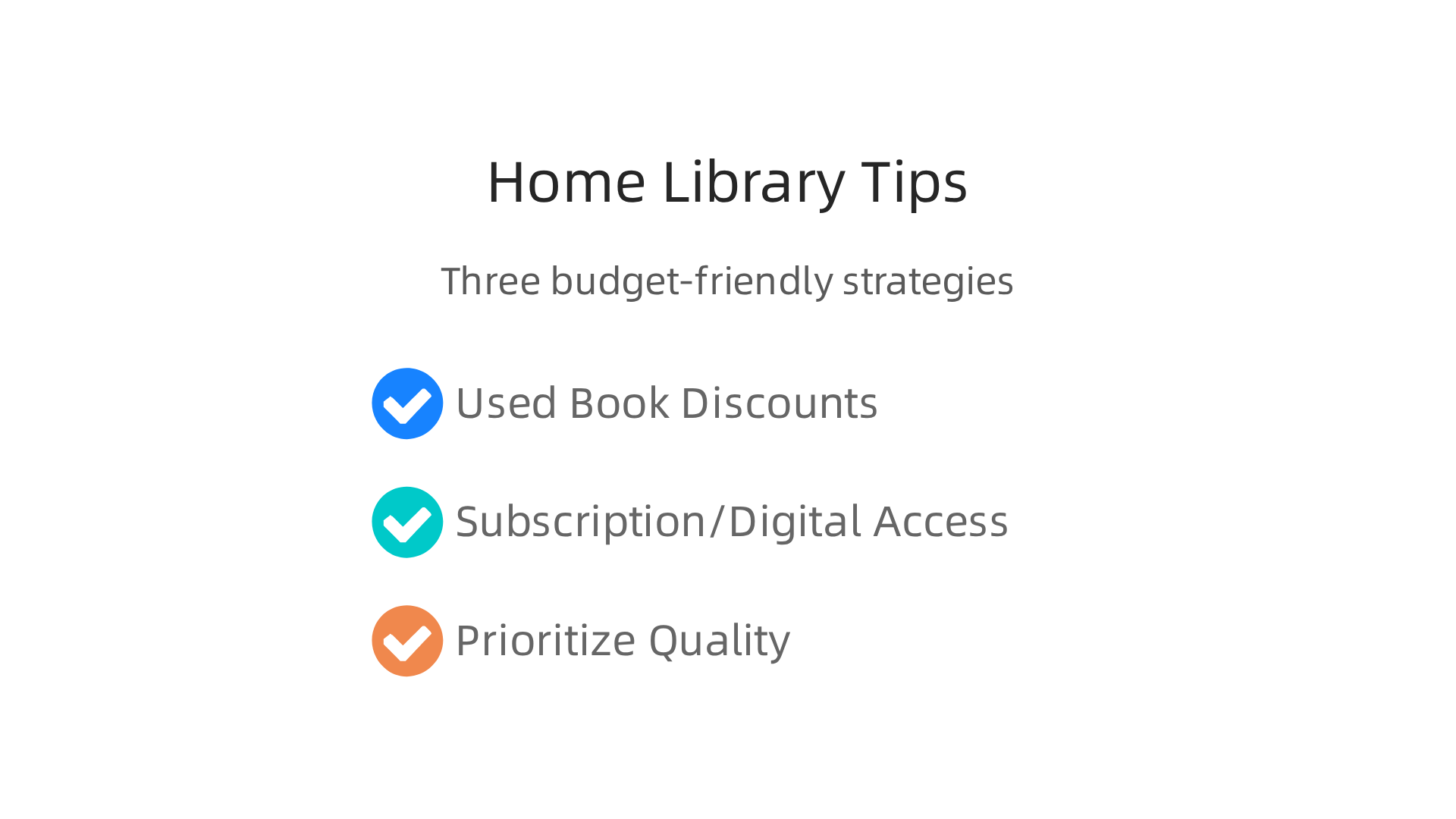
Used bookstores, library sales, and thrift shops offer deep discounts.
These places are gold mines. You can find gently used copies for a dollar or two. Many library sale events sell books for pocket change. You might even spot a beloved series like the Redwall books or a popular Holly Jackson books mystery for a fraction of the retail price. The thrill of the hunt makes it fun too.
Subscription boxes and digital libraries provide rotating access.
If you prefer new arrivals without the commitment, try a subscription service. Some mail you a box of curated titles each month. Digital libraries like Libby or Hoopla let you borrow ebooks and audiobooks for free with your library card. This is perfect for exploring new authors. For example, you can sample the first book of the summer I turned pretty book series without buying it. It is a low risk way to discover what your child loves.
Prioritize quality over quantity. Invest in favorites.
Here is the thing. A shelf of 50 cheap books is fine. But investing in 10 to 15 well loved books is better. Pick the ones your child rereads constantly. Those are the keepers. Spend a little extra on those titles if needed. You can check lists of best ya dystopian novels or award winners from the Association for Library Service to Children to find top notch picks.
For more inspiration on which authors to seek out, check out our guide to 10 must-read authors in fiction and fantasy for your next great book. It is full of suggestions that work for all ages.
Thrift Stores, Library Sales, and Dollar Books
You walk into a thrift store and spot a stack of children’s picture books for fifty cents each. That is the magic of bargain hunting.
To make the most of your trip, go often and check the children’s section first. Look for popular series like Redwall books or recent Holly Jackson books mysteries. You might even snag a copy of the first book of the summer I turned pretty book series for pocket change.
Sign up for library sale notifications. Many libraries send email alerts before their big sales. This way you can be first in line for discounted award winners. The Association for Library Service to Children’s Notable Children’s Books list is a great guide for what to look for.
Online used book marketplaces save time and money. Sites like ThriftBooks and AbeBooks sell used copies for as low as a few dollars. You can search for specific titles like best ya dystopian novels and often find them shipped to your door for under five bucks.
For more ideas on which series to hunt for, check out our guide on books like Percy Jackson to read after you finish the series. It is full of options your kids will love.
Subscription Boxes and Digital Libraries
What if new books just showed up at your door every month? That is the magic of subscription boxes. Services like Literati and Bookroo send curated books for kids right to your home. Each delivery is a surprise based on your child’s age and interests. They might discover the latest Holly Jackson books mystery or a classic adventure like Redwall books. Older kids can get the best ya dystopian novels in their box, or even the first book of the summer I turned pretty book series. The Children’s Book Council’s March 2026 list shows the kind of new releases these services often include.
Digital libraries are another game changer. With just a library card, apps like Libby and Hoopla give you free access to thousands of ebooks and audiobooks. Epic! offers a huge digital library just for kids. These tools are perfect for when you want instant access to books for kids without waiting for delivery. For more handpicked recommendations, check out our guide on books like Kate DiCamillo for your next heartfelt read.
Using Your Local Library to the Fullest
If subscription boxes and digital libraries are great, your local library is the ultimate treasure chest. And the best part? It’s totally free. Libraries give you access to thousands of books for kids without spending a dime. That includes all the newest releases like redwall books, the summer i turned pretty book, and the best ya dystopian novels. You can find even the latest holly jackson books on the shelf or through the library’s digital app.
But here’s the thing: libraries aren’t just about borrowing. The real secret weapon is the librarian. These experts know their collection inside out. They can hand you a personalized list of books for kids based on what your child already loves.

For example, if your kid just finished a Percy Jackson series, you can ask for similar reads. Check out our guide on books like Percy Jackson to read after you finish the series for more ideas, but your librarian can also point you to other adventure series.
Many libraries also offer digital borrowing through apps like Libby and Hoopla, along with free storytimes and summer reading programs. In fact, the American Library Association’s Notable Children’s Books list for 2026 features curated titles that librarians often recommend to families. So next time you’re looking for books for kids, start at your library. It’s the most cost-effective way to keep your child reading all year long.
Library Card Benefits and Digital Borrowing
You already know your library is a goldmine for physical books for kids. But did you know your library card also unlocks a huge digital collection? It’s one of the best kept secrets for families on a budget.
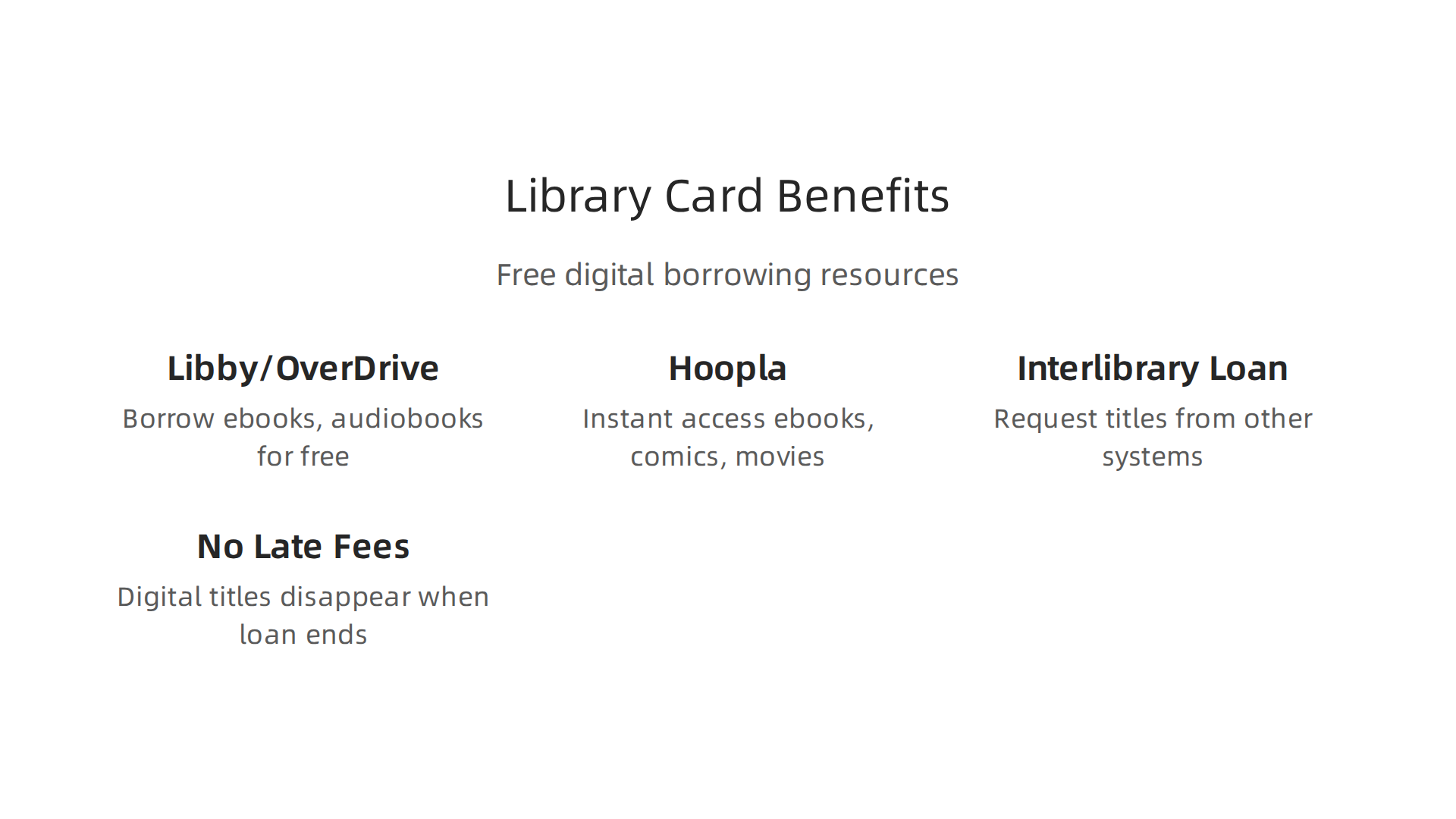
Through apps like Libby and OverDrive, you can borrow ebooks and audiobooks for free right from your phone or tablet. No late fees, no trips to the library. You just check out a title and it disappears when the loan ends. It’s perfect for road trips or quiet time at home.
Then there’s Hoopla. This app lets you borrow ebooks, audiobooks, comics, and even movies instantly. No waiting for holds. If the library has it, you get it right now. That means instant access to the latest releases, including new picture books from 2026 like the ones featured in the Spring 2026 Children’s Teacher & Librarian Preview Archive from Simon & Schuster.
And what about a hard-to-find title your child is dying to read? Use interlibrary loan. Your librarian can request it from another library system. It might take a week or two, but it’s free and worth the wait.
So if you haven’t activated your library card for digital borrowing yet, do it today. It’s one of the smartest ways to keep a steady stream of fresh books for kids without spending a cent. And when you want to explore new authors your child might love after finishing a favorite series, check out our guide to finding books like Kate DiCamillo for your next heartfelt read.
Summary
This guide helps parents, teachers, and caregivers cut through the overwhelming choices of children’s books and find reads that kids will actually love. It explains how to combine reading-level tools (Lexile, Guided Reading) with a child’s interests and developmental stage to land the right fit, and walks through age-by-age recommendations from board books to YA. The article also shows practical shortcuts—award lists, librarian picks, professional reviews, and vetted online resources—to identify quality stories and illustrations. You’ll learn where to discover diverse books, how to use Goodreads/Amazon effectively, and budget-friendly strategies like library apps, thrift sales, and subscription boxes. After reading, you’ll be able to pick better books confidently and build a lasting home library.