Why Timeless Classic Novels Are the Best Books to Read in 2026
Overview
Exploring Timeless Classic Novels
Have you ever felt stuck trying to find your next great read? You are not alone. In 2026, surveys show that while 75% of U.S. adults have read at least one book in the past year, the top 19% of readers account for a whopping 82% of all books read. That huge gap tells us something important. Most people want to read more, but they just don’t know where to start.
With millions of titles out there, it is easy to get lost.

That is where classic novels come in. Books like the timeless pride and prejudice book have lasted for generations for a good reason. They offer proven quality, deep characters, and stories that still feel fresh today. The same goes for beloved authors like Roald Dahl and James Herriot. Their works have shaped how we think about storytelling.
But maybe you are looking for something newer. A thoughtful the outsiders book review or a powerful atonement book review can point you toward modern masterpieces that deserve a spot on your shelf.
This article is here to help you rediscover these gems. Whether you love wit, adventure, or heartbreak, there is a classic waiting for you. Let us find it together.
The Enduring Appeal of Classic Novels
So why do books like the pride and prejudice book still feel so fresh over 200 years later? It is not just nostalgia. Classics stick around because they tackle things that never go out of style. Love, pride, loss, courage, and identity.
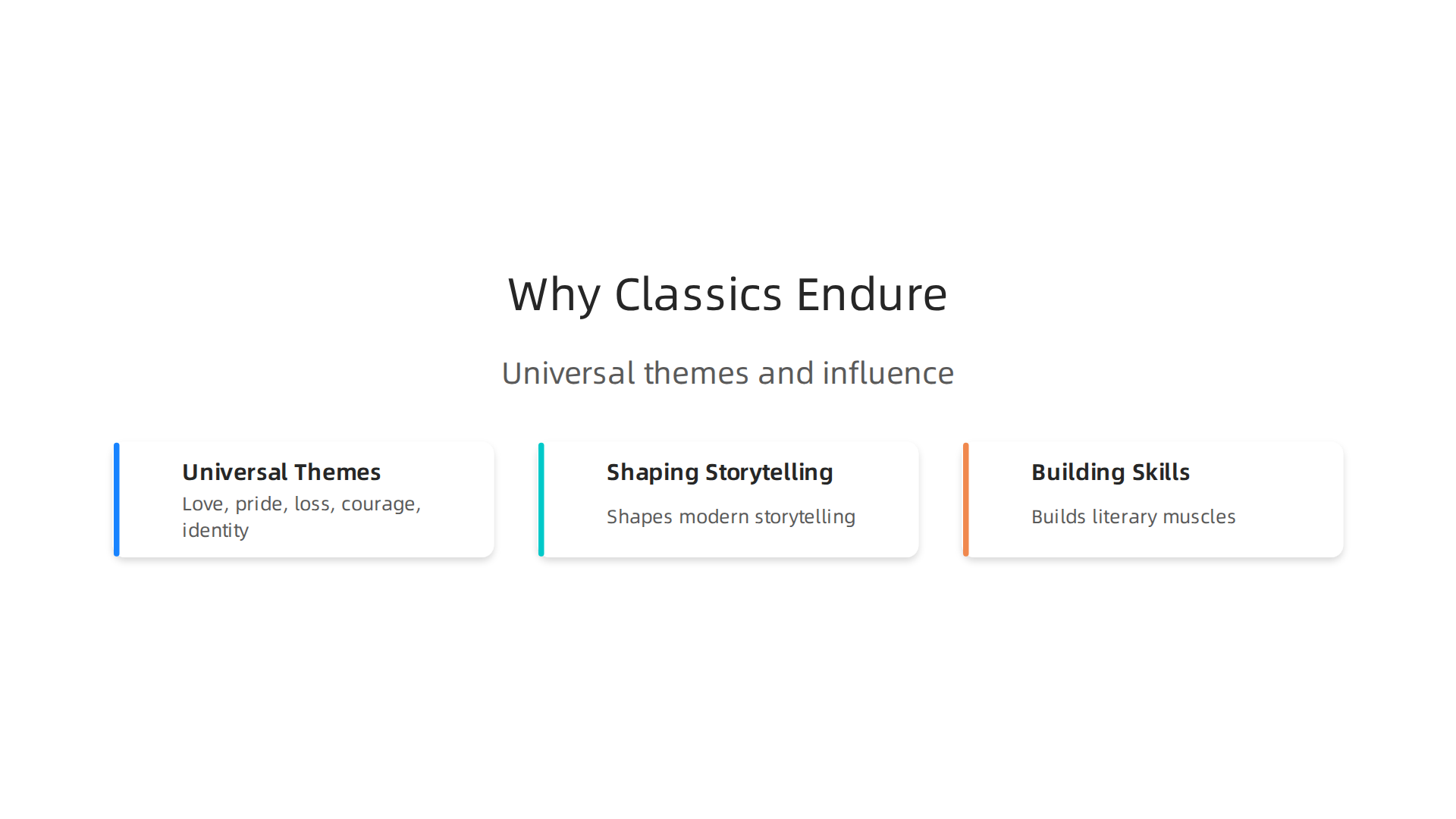
These themes hit just as hard today as they did when the ink was first dry.
Think about roald dahl books. His stories like Charlie and the Chocolate Factory or Matilda teach us about kindness standing up against cruelty. Or james herriot books, which remind us that simple moments with animals and people can be deeply moving. These works have shaped how modern authors write. You can see their fingerprints in everything from current bestsellers to movies and TV shows.
Here is the thing. Reading classics does more than fill a checklist. It builds your literary muscles. When you pick up a classic, you start recognizing the patterns and ideas that still run through today’s storytelling. That makes every book you read afterward richer. Even a modern the outsiders book review or an atonement book review gains more meaning when you see how those stories echo older traditions.
In fact, reader surveys in 2026 show that while the top 19% of readers in the U.S. account for 82% of all books read, many people want to join that group but do not know where to begin. That is exactly where classics shine. They are proven entry points that deliver quality without guesswork.
Whether you are new to reading or looking to branch out, classic novels offer a solid foundation. They help you understand why stories matter and how they connect across generations. And if you want to discover more timeless picks or modern gems that carry that same spirit, feel free to explore our recommendations.
Inside the ‘Pride and Prejudice Book’ Phenomenon
So why does this particular story feel more alive than ever in 2026? The pride and prejudice book has become more than just a classic.

It is a cultural force. But what really keeps readers coming back to Elizabeth Bennet and Mr. Darcy generation after generation?
First, the book works on multiple levels at once. It is a swooning romance, sure. But it is also a sharp social satire and a quiet feminist critique. Critics note that this blend of genres is exactly why it endures. You get a love story, but you also get a smart look at class, pride, and how we judge others. That range is rare.
The recognition speaks for itself. In 2026, Pride and Prejudice was ranked the No. 1 novel of all time on Goodreads. It consistently tops lists because it delivers perfect pacing, unforgettable characters, and dialogue that still crackles with wit over 200 years later.
But what really keeps it alive is how we continue to reinvent it. Movie adaptations, modern retellings, and active fan communities mean the story never gets old. Readers in 2026 are still writing reviews, making videos, and debating the characters as if they are real people. A recent deep dive explores exactly how the novel has stood the test of time in modern pop culture.
If you are a fan of Jane Austen’s sharp observations, you might also enjoy exploring other giants of storytelling. See how she compares to other greats in our list of the 10 best-selling authors of all time.
And once you finish the last page, finding your next read is the fun part. Fans of Austen’s wit and clever character work have been flocking to a modern series that captures that same smart energy. It is a strange, warm, absurd adventure built for imaginative readers just like you. View the series on Amazon.
Overcoming Discovery Paralysis: Finding Your Next Classic
So you just finished a beloved pride and prejudice book. Or maybe you wrapped up that fantasy series you devoured all month. Now you stare at your bookshelf and feel stuck. What next? That feeling has a name: discovery paralysis. You are not alone. A 2026 reader survey of over 3,500 book lovers found that finding the next good read is still one of the biggest struggles readers face.
The good news? In 2026, we have better tools than ever to break out of that rut. Here are three simple ways to find your next classic without the overwhelm.
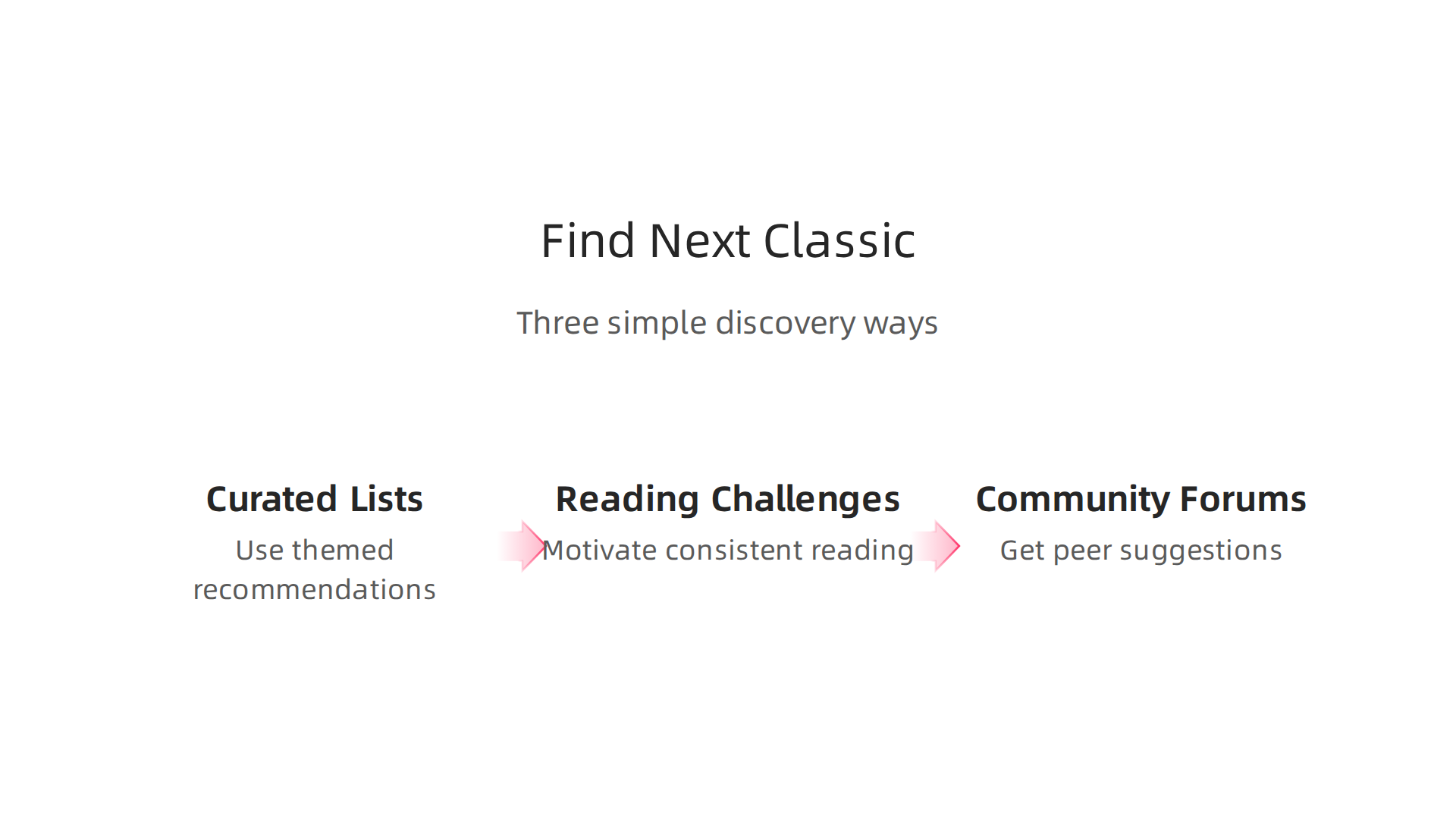
Curated Lists and Genre Guides
Instead of scrolling through endless titles, let someone else do the sorting. Curated lists from trusted sources save time. Professional reviews in publications still influence 66% of readers, according to the same survey. Whether you love Roald Dahl books, James Herriot books, or want to read a fresh the outsiders book review or atonement book review, a good guide points you straight to what you will enjoy. For example, if you are coming off a modern series, check out our guide to books like Percy Jackson to keep the momentum going.
Reading Challenges
A reading challenge turns discovery into a game. In 2026, challenges like Book Riot’s Read Harder challenge or the Popsugar Reading Challenge push you to try genres and authors you would never pick on your own.

According to the 2026 State of Reading Report, human recommendations now beat algorithms for finding new books. A challenge gives you a built-in recommendation list. Plus, finishing a challenge feels great.
Community Forums
Word-of-mouth is back and stronger than ever. The same report found that "people I know personally" is now the top source for book discovery. That includes online communities. Join a book club on Fable or a subreddit dedicated to classics. Ask for a book that feels like Pride and Prejudice but with dragons. Real people give real answers. No algorithm needed.
Once you have a few ideas, the best next step is to browse a handpicked collection. Explore our recommendation lists across fiction, fantasy, and sci-fi at the Fiction And Fantasy Books blog. You will find curated guides designed to solve exactly this problem. No paralysis, just your next great read waiting.
Trust in Book Recommendations: Why Community Matters
Here is the thing about algorithms. They are great at guessing what 100,000 people like. But they are terrible at guessing what you like. You just finished a pride and prejudice book. You loved the witty characters and the slow burn romance. The algorithm sees "historical fiction" and suggests a random textbook. It misses everything that made the story special for you.
That is why community matters so much in 2026.
The numbers back this up completely. The 2026 State of Reading Report found that personal recommendations are now the top way people find books.
They have officially beaten out social media and AI suggestions. Professional reviews in trusted publications also play a huge role. One survey of over 3,500 readers showed that professional reviews influence 66% of buying decisions. Real people still know best.
Why Peer Reviews Build More Trust
A five-star rating on a store page tells you almost nothing. But a detailed review from someone who shares your taste? That is valuable. If you love the strange worlds in Roald Dahl books or the cozy feeling of James Herriot books, you want a reviewer who understands those vibes. An atonement book review from a trusted friend will warn you if the story is too heavy for your current mood. A thoughtful the outsiders book review tells you if the writing style clicks with what you enjoy. Algorithms just can not capture that kind of nuance.
Book Clubs Add a New Layer
Reading is usually a solo activity. But talking about a book changes how you see it. Online platforms like Fable make it easy to join book clubs.
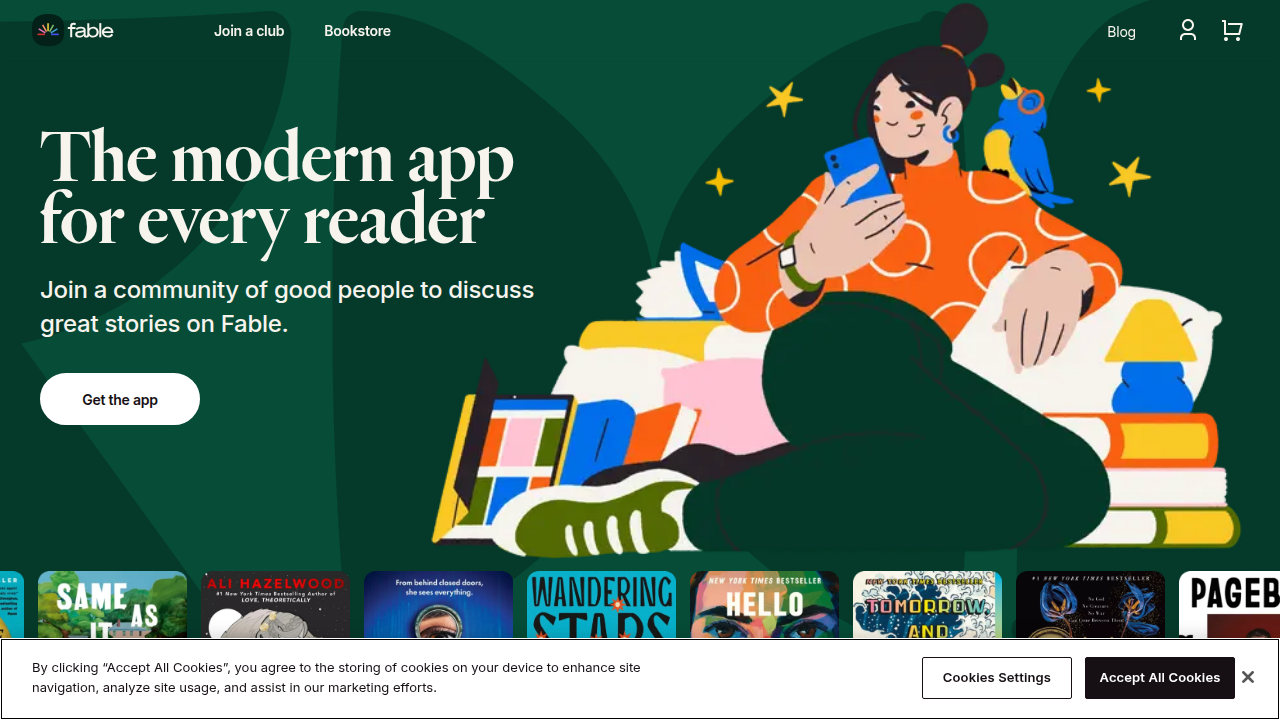
When you discuss a story with others, you notice themes and details you missed on your own. That shared experience builds deeper trust in the recommendation itself.
How to Find Trusted Voices Today
You do not have to search blindly. Here are a few practical ways to tap into community wisdom:
- Follow in-depth reviewers. Look for people who explain why a book works. If you just finished a series, check out our human-curated guide to books like Percy Jackson.
- Join a reading challenge. The Book Riot Read Harder Challenge pushes you into new genres alongside a community of fellow readers.
- Use curated platforms. Sites that handpick titles based on taste, not data, help you skip the noise entirely. Browse our trusted guides and lists for recommendations built on real reader preferences.
At the end of the day, a book is only as good as the person who hands it to you. Trust the humans. Skip the noise. And find your next great read with people who get you.
Ready for real recommendations? Explore our curated blog for fiction, fantasy, and sci-fi picks vetted by actual readers.
Exploring Subgenres: From Romance to Fantasy in Classics
So you trust the humans now. That is great. But the next step is knowing what kind of story you are actually looking for. Classic novels often get lumped into one big category. But the truth is, many of them are the original seeds for the subgenres we love today.
Understanding subgenres is like having a map for your reading taste. Instead of browsing blindly for another pride and prejudice book, you can ask: "Do I want a gothic romance like Jane Eyre? Or a proto-fantasy adventure like The Tempest?" That small shift changes everything.
The Roots of Modern Genres
Many classic novels predate and actually shape modern genres. Take gothic fiction. Works like Frankenstein and Dracula set the stage for everything from dark romance to horror. A list of 80 classic gothic, horror, and dark fantasy works shows how deep those roots go, with titles you may recognize from high school reading lists (figcat.com). Those old stories are the blueprint for today’s haunted house gothic, female gothic, and even southern gothic.
Romance is another huge one. Think about it. Jane Austen basically invented the slow-burn, will-they-won’t-they romance arc. Modern romance subgenres include historical, paranormal, contemporary, and even gothic romance (The Novelry). If you loved the social tension in Pride and Prejudice, you have a direct line to modern historical romance novels.
And fantasy? Well, The Lord of the Rings is obvious. But older proto-fantasy works like Alice in Wonderland or The Princess and the Goblin paved the way for entire worlds of imagination.
Romantasy and the Blurred Line
One of the hottest subgenres in 2026 is "romantasy." That is a blend of romance and fantasy. According to experts, this cross-genre weaves romantic plots into fantasy settings (SNHU). Sound familiar? Pride and Prejudice with dragons. The Night Circus with magic and a love story. Classic authors like Charlotte Bronte and even the darker edges of Roald Dahl books hint at this mix.
When you understand subgenres, you stop guessing. You know exactly what mood you are in. If you want something cozy and grounded, try a historical romance. If you want escape and adventure, try a fantasy with romantic threads.
How to Find Your Niche
Start by asking yourself one question: which part of your last favorite book made you feel something? The setting? The relationship? The magic system?
From there, you can explore. If you loved the emotional depth in an atonement book review, you may be drawn to literary fiction with romantic subplots. If you found yourself rereading the fight scenes in The Outsiders book review, maybe action-driven fantasy is your lane.
Use our guide to the 10 best-selling authors of all time to see which subgenres their work falls into. If you see a pattern in their books, you have found your niche.
Classics are not old and dusty. They are the original maps to the subgenres you already love.
Ready to explore tailored recommendations based on your favorite subgenres? Check out our curated lists and guides across romance, fantasy, and everything in between.
Practical Tools for Tracking Your Reading Journey
So you know your subgenres now. Maybe you just finished a pride and prejudice book and want to keep a record of all the classics you read. Or you have a stack of roald dahl books you plan to revisit. The question is: how do you actually keep track of everything?
Tracking your reading is not just about numbers. It helps you spot patterns in what you love, remember plot details, and feel more connected to your reading life. And in 2026, you have more options than ever.
Digital Apps That Do the Work for You
Apps like Goodreads and StoryGraph are the most popular choices for a reason.
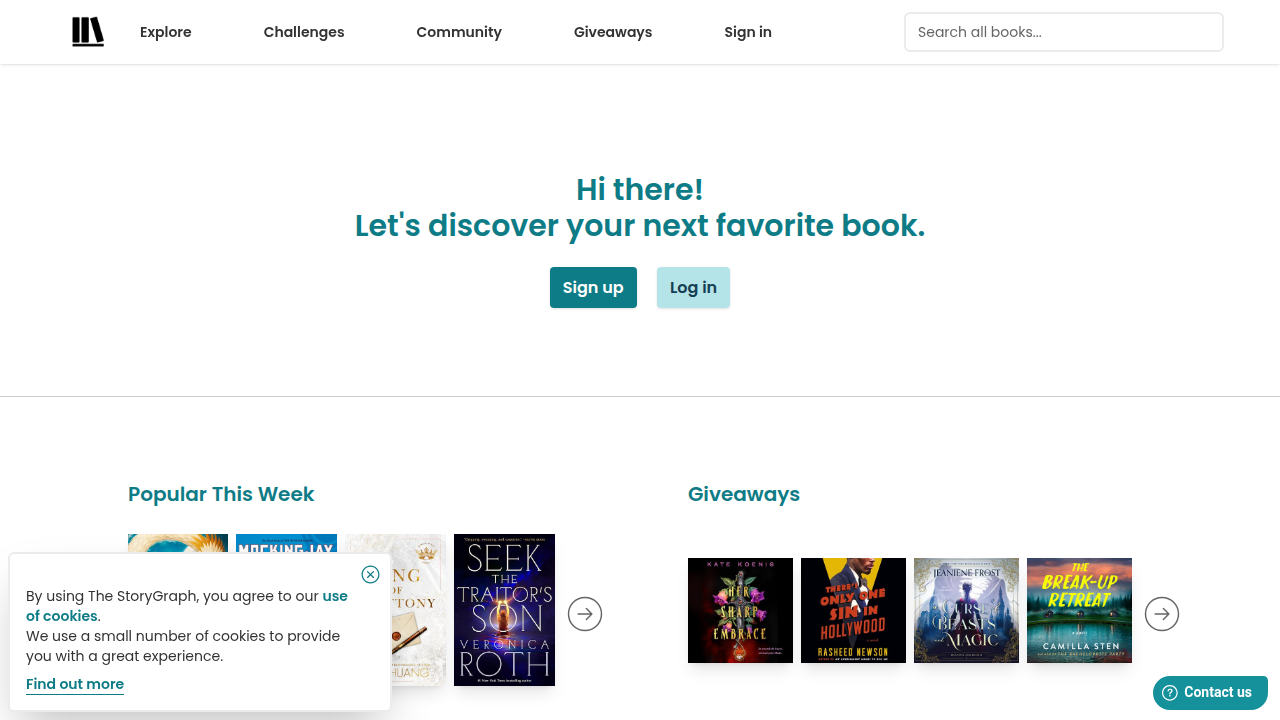
StoryGraph gives you smart personalized recommendations and lets you track by mood, which is perfect if you liked a recent atonement book review and want similar emotional reads. There is also Leio, a tracker focused purely on logging sessions and setting goals. According to a 2026 roundup of reading tracker apps, Leio helps you view stats about your habits without extra clutter (MindfulSuite). For a broader list of options, OwlCrate highlights three apps including Libib, LibraryThing, and Bookshelf, all with free versions (OwlCrate).
Physical Journals and Spreadsheets
Maybe screens feel distracting. That is where analog tools shine. You can buy a dedicated Classic Literature Reading Tracker on Etsy that lets you mark completed reads and plan future ones (Etsy). Or grab the Rock Your Reading Tracking Spreadsheet from Sarah’s Bookshelves. It builds automatic charts based on your ratings, so you can see which authors like james herriot books you consistently enjoy (Sarah’s Bookshelves).
There is also a popular YouTube video covering top planner tools for book lovers if you want a visual walkthrough (YouTube).
Setting Goals and Tracking Series
Once you pick a tool, set small goals: read two the outsiders book review style novels this month, or finish a series from start to end. If you love series, tracking your progress through each book keeps you motivated. Our guide on books like Percy Jackson can help you find complete series to track (Internal Link). And if you want to see which authors dominate your shelf, check our list of the 10 best-selling authors of all time (Internal Link).
The best tool is the one you actually use. Whether it is an app, a notebook, or a spreadsheet, start today.
Ready to find your next read? Explore Recommendations on our blog for curated lists across romance, fantasy, and sci-fi (CTA).
The Role of Classic Novels in Today’s Literary Landscape
So you have your tracking tools ready. Maybe you just finished a classic like Pride and Prejudice and want to log it in your new spreadsheet or app. But have you ever wondered why a book written over 200 years ago still feels so fresh today?
Classic novels like Pride and Prejudice are not just old books gathering dust. They shape the stories we love right now. According to a 2026 article, Pride and Prejudice ranks No. 1 on Goodreads’ greatest literary novels list (Parade).
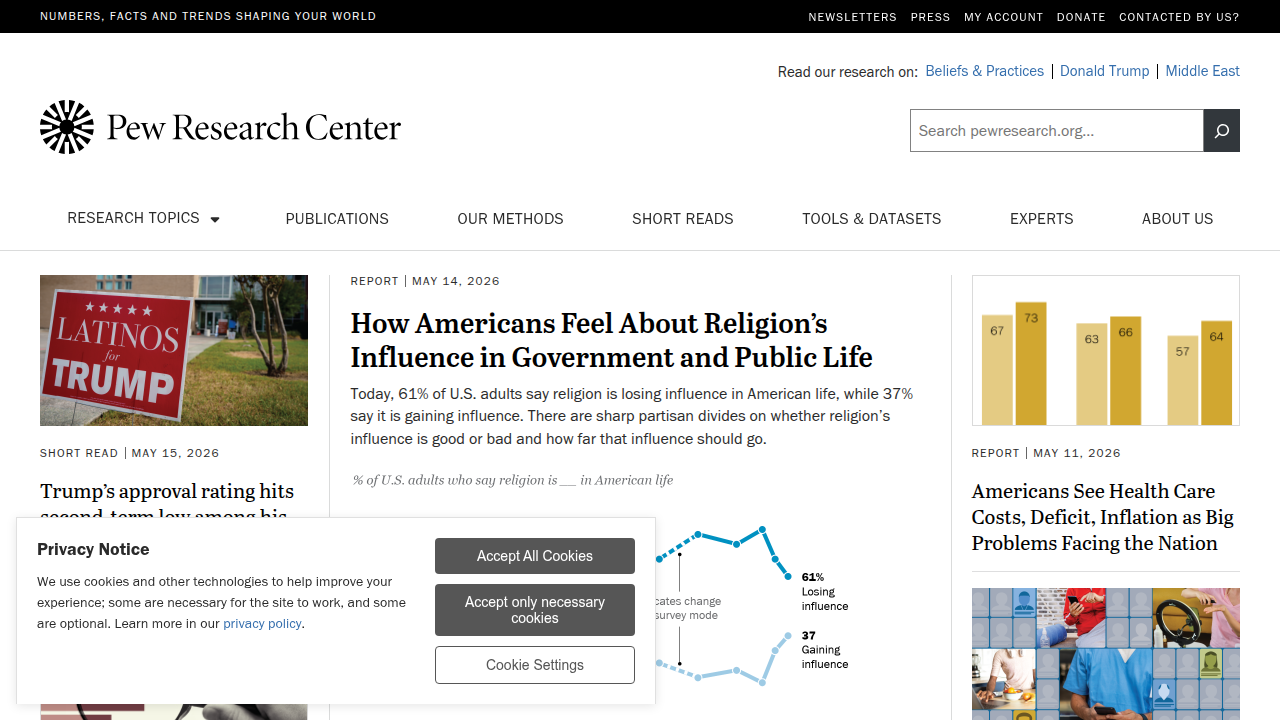
It endures because it mixes romance, sharp humor, and social commentary (Jenny Meadow). You see these same elements in modern fantasy and sci-fi. The witty banter in a modern romantasy? That comes straight from Austen. Writers today still look to classics for inspiration. If you want to see which authors have shaped the world the most, check out our list of the 10 best-selling authors of all time.
Schools still teach Pride and Prejudice because it is a masterclass in character and plot (Salem Press). The lessons it teaches about pride, prejudice, and personal growth are timeless. Reading these foundational texts makes you a sharper reader of modern books. You start to spot the influences everywhere.
For example, if you enjoyed an atonement book review and loved the emotional depth, you can find similar emotional complexity in modern literary fiction. Or if you grew up on roald dahl books and james herriot books, their storytelling DNA is all over today’s middle-grade and cozy fantasy. Even a the outsiders book review shows how classic themes of belonging and conflict never go out of style. Reading classics helps you see the big picture of storytelling.
Ready to find your next great read, whether it is a classic or a modern tale inspired by one? Let our curated lists guide you.
Explore Recommendations on our blog and dive into your next adventure.
Common Myths About Classics Debunked
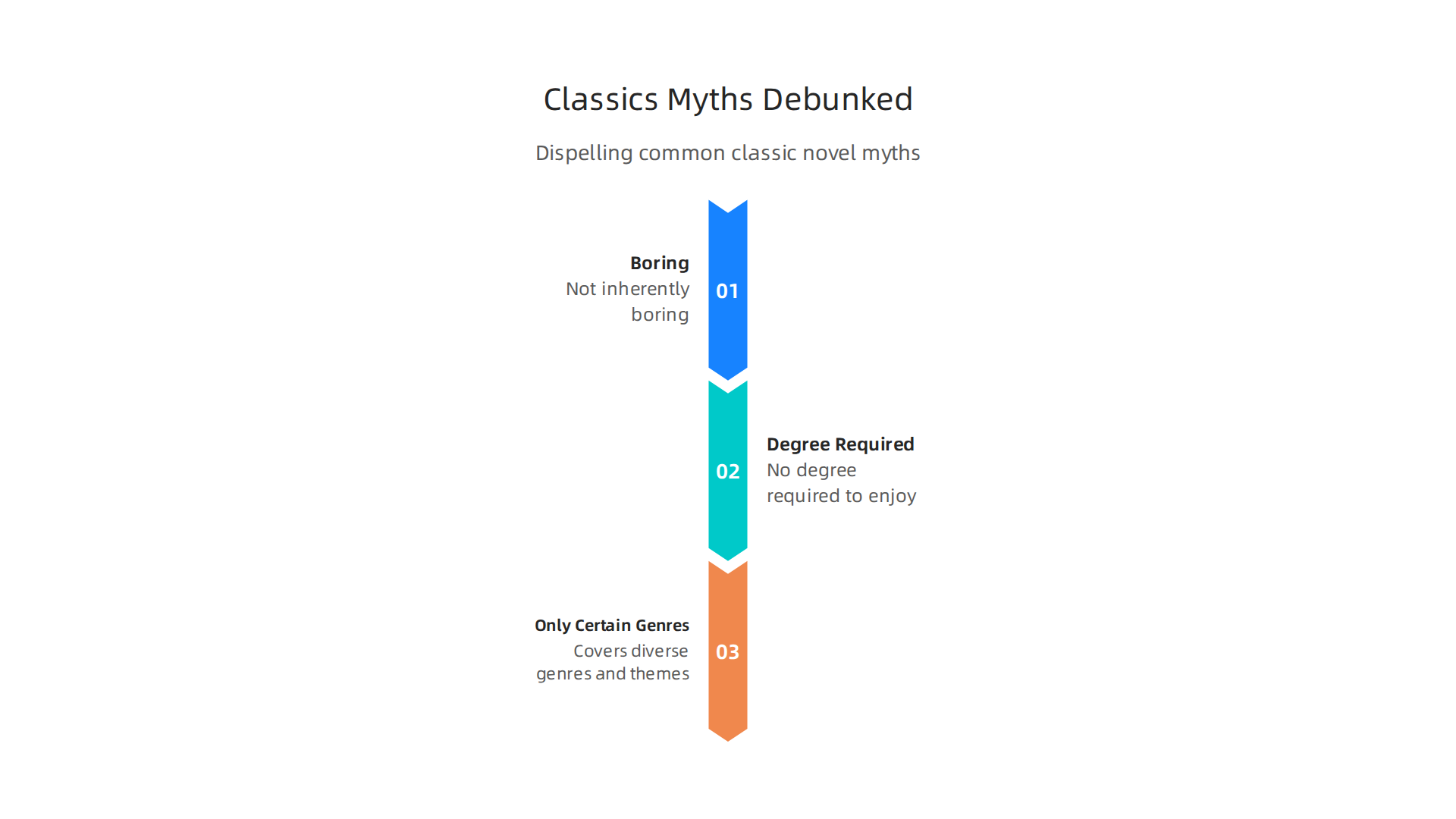
It is easy to believe that classics are just dusty homework assignments. But once you know the truth behind the myths, you will see them in a whole new light. Let us clear up a few big ones.
Myth: Classics are boring or outdated.
Actually, the best ones are packed with juicy drama and witty banter. Many people think the Pride and Prejudice book is just a stuffy romance. But it is a sharp social satire with one of the best enemies-to-lovers plots ever written. Modern genres like "Romantasy" (a blend of romance and fantasy) borrow heavily from these classic relationship dynamics SNHU. The stories are not outdated. They invented the formulas we still love today.
Myth: You need a literature degree to enjoy them.
That is simply not true. You do not need a degree to feel the heartbreak in The Outsiders or the tension in Atonement. A classic is just a story that has spoken to readers for a long time. Whether you enjoy the whimsy of Roald Dahl books or the warmth of James Herriot books, there is a classic voice with a similar spirit. If you love emotional, character-driven stories in modern settings, you will love the books that started it all. They connect with our human experience, no degree required.
Myth: Only certain genres are represented.
This one might be the biggest surprise. Classics are not just literary fiction. There is a huge world of classic gothic horror like Frankenstein and Wuthering Heights FigCat. There are classic sci-fi, adventure, and comedy novels too. The range of genres covered in classic literature is vast, so no matter what you usually read, there is a classic out there for you.
Don’t let these myths hold you back from finding your next great story. Let our curated recommendations guide you.
Summary
This article helps readers rediscover classic novels and use them as reliable entry points into richer reading habits. It explains why classics like Pride and Prejudice, Roald Dahl, and James Herriot remain relevant, how they shaped modern subgenres (including romantasy), and why understanding those roots improves your book choices. You’ll learn practical ways to overcome discovery paralysis through curated lists, reading challenges, and community recommendations, plus how to use apps, journals, or spreadsheets to track progress. The piece also shows why peer reviews and book clubs often out-perform algorithms for personal recommendations, and it debunks common myths that keep people from trying classics. By the end, readers will have clear next steps for finding tailored recommendations and tracking their reading journey.