
Find Books Like Kate DiCamillo for Your Next Heartfelt Read
Overview
Introduction: The Quest for the Perfect Next Read
You sit down to find a new book for your child, your student, or maybe yourself.
You open a browser or walk into a store. And suddenly, the options feel endless. There are thousands of children’s and young adult titles out there. New ones drop every month. How do you pick just one?
This is the real struggle for parents, teachers, and young readers. The sheer volume can overwhelm anyone. You want something meaningful. You want a story that sticks. But where do you even start?
One trusted entry point stands out above the rest. Kate DiCamillo books have won hearts for over 25 years. She has published more than 25 novels since 2000, including award winners like Because of Winn-Dixie and The Tale of Despereaux. Her work has earned a Newbery Medal and a Newbery Honor, placing her among the most celebrated children’s authors of our time. You can see her complete collection on her official site.
Why start with her? Because her stories combine deep emotion with simple, beautiful writing. They work for early readers, middle graders, and even adults. Once you finish one of her books, you will want another story just as good.
That is where this guide comes in. I have built a research-backed roadmap to help you discover both DiCamillo’s best works and similar authors who share her warmth and wonder. No more guesswork. No more wasted time.
We will look at authors like E Lockhart for thoughtful YA, the Dog Man books for pure fun, and novels like Wonder and Coraline for different moods. By the end, you will have a clear list of books your reader will actually love.
Ready to find that next great story? Let us start with the author who makes it all possible.
Browse our full collection of reading guides for more recommendations.
The Magic of Kate DiCamillo: A Comprehensive Look at Her Books
So what makes Kate DiCamillo books so special? It comes down to three things. Range, recognition, and relatability.
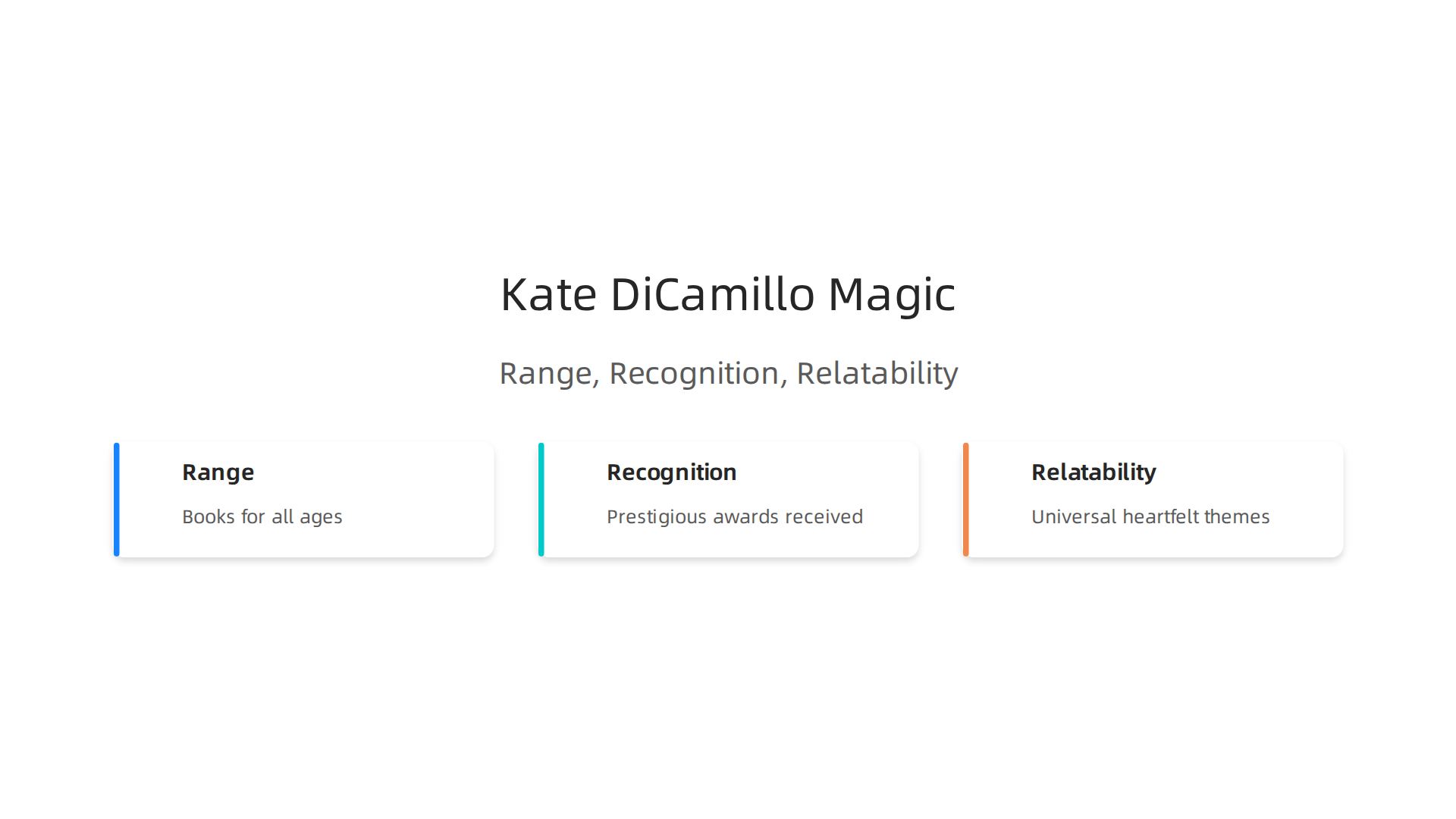
First, her range is wider than most people realize. She does not just write one type of book. She writes picture books like Good Rosie for the youngest readers. She writes early chapter books like the funny Mercy Watson series for kids just starting out. And she writes deeply moving middle-grade novels like The Tale of Despereaux and Because of Winn-Dixie for older children. You can look at the full breadth of her work on her official novels page. She has published over 25 novels since 2000, giving readers a huge library to explore.
Second, her work wins major awards because it is simply that good. She won the Newbery Medal for The Tale of Despereaux and a Newbery Honor for Because of Winn-Dixie. According to Penguin Random House, these are among the highest honors in children’s literature. When you pick up one of her books, you know you are holding something special.
Third, her themes connect with everyone. She writes about hope, friendship, and resilience. Her characters feel like real people. They struggle. They feel lonely. They find their way through hard times. A kid reading her book feels understood. An adult reading it feels that same warmth. This is the secret behind her cross-generational appeal.
The magic of Kate DiCamillo books is simple. She uses plain language to tell deep truths about being human. That is a rare gift.
If you love stories with that kind of heart, you will want to keep reading. We have a great guide on books like Percy Jackson if you are looking for more adventurous middle-grade reads.
Ready to find more authors with that same warm feeling? Browse Recommendations for a full list of curated picks tailored to your taste.
Award-Winning Titles and Their Impact
Why do awards matter so much for readers in 2026? Simple. They help you find the best books fast. When you are overwhelmed by choices, a Newbery Medal sticker on the cover tells you this book is something special.

And few authors have more of those stickers than Kate DiCamillo.
Setting the benchmark for children’s literature
The Tale of Despereaux and Flora and Ulysses both won the prestigious Newbery Medal. According to Penguin Random House, these are among the highest honors a children’s book can receive. They signal a story with deep heart, rich language, and lasting value. That is why these titles appear on school reading lists and library shelves everywhere.
Classroom staples with critical acclaim
Two other books by DiCamillo have become absolute classroom staples. Because of Winn-Dixie earned a Newbery Honor and is widely taught in elementary schools across the country. The Miraculous Journey of Edward Tulane is praised by teachers and critics alike for its beautiful story about love and loss. On Goodreads, both books hold near-perfect ratings from thousands of readers. That kind of lasting admiration is rare.
Awards as a discovery tool
The truth is, awards help you cut through the noise. When you are searching for your next read, a list of award winners is a great place to start. These books have been vetted by experts and loved by generations of readers. The magic of kate dicamillo books is that they earn that recognition while staying deeply personal and relatable.
Want to find more books with that same timeless feel? Check out our guide on why timeless classic novels are the best books to read in 2026 to keep the discovery going.
Ready to build your own reading list? Browse Recommendations for a full selection of curated picks tailored to your taste.
Thematic Depth: Why Her Stories Endure
Awards can grab your attention, but they don’t keep a book alive for decades. What really makes a story last? It is the way it speaks to feelings we all share. That is the secret behind kate dicamillo books. She writes about loneliness, courage, and the desire to belong. Those are emotions that never go out of style.
DiCamillo often uses animals and gentle magic to tell these truths. A mouse who loves music. A dog who changes a town. A china rabbit who learns to love again. According to her official author page, these characters appear in over 25 novels. And readers of all ages find something real in them. A child might see an adventure. A grown up might notice a story about loss and hope. That layered meaning is a hallmark of quality children’s literature. Experts say good children’s books need authentic characters and universal themes, as highlighted in the ADL guidelines for assessing children’s literature. DiCamillo checks every box.
Her books feel trustworthy because they respect the reader. They do not talk down. They let you feel big emotions in a safe way. That is why readers keep coming back, year after year. Over on Goodreads, her books collect thousands of near-perfect ratings from people of all ages. That is not just popularity. That is proof that these themes hit home.
The best children’s books tackle hard truths with warmth and wonder. DiCamillo does exactly that. Her stories are not just entertaining. They are the kind you remember forever. If you want to find more books with that same timeless heart, browse our full list of curated recommendations to discover your next great read.
Connecting with Young Readers: What Makes DiCamillo’s Writing Unique
Here is the hard truth. Reading for fun is dropping fast. A 2025 survey from the National Literacy Trust found that only 1 in 3 children aged 8 to 18 said they enjoyed reading. That is the lowest level in 20 years. So why do kate dicamillo books still hook kids who would rather scroll on a phone?
The answer is in her writing style. DiCamillo uses simple words to talk about big feelings. She does not use fancy vocabulary or long descriptions. She gets straight to the point. A line like "There is nothing sweeter in this sad world than the sound of someone you love calling your name" is easy to read but hard to forget. That balance makes complex ideas feel safe and clear for young minds.
Her characters face challenges that feel real. A lonely dog. A girl who misses her mother. A mouse who feels invisible. When a child reads about a character who feels the same way they do, something clicks. They stop feeling alone. That emotional hook turns a casual reader into someone who actually wants to turn the page. And that is how you beat what readers call discovery paralysis. You do not have to wonder what to read next because the book grabs you from the first chapter.
This matters more than ever. In 2026, nearly half of U.S. adults reported reading at least one book in the past year, down from previous years, as noted in reading statistics. If we want kids to grow into adult readers, they need authors like DiCamillo who make the first step easy. Her books lower the barrier. They say, "You can do this."
For any other author, try e lockhart books for clever twists or dog man books for pure fun. But for that first spark of deep reading, DiCamillo is hard to beat. If you are looking for more books that connect with young readers this way, browse our recommendations to find your next great match.
Beyond DiCamillo: How to Discover Similar Authors in Young Adult and Children’s Literature
Once you finish a Kate DiCamillo book, the feeling can stick with you. That mix of simple words and deep emotion is special. So what do you read next? The good news is that many other authors write with that same heart and clarity.
If you love DiCamillo, try Sharon Creech. Her book Walk Two Moons deals with loss and family in a way that feels real and gentle. Katherine Applegate is another great choice. The One and Only Ivan uses simple sentences to explore big ideas like freedom and friendship. And Lois Lowry with The Giver is a must. She asks deep questions without ever talking down to young readers. These authors all share that rare ability to be both easy to read and hard to forget.
But how do you find more writers like this? Here are some proven ways.
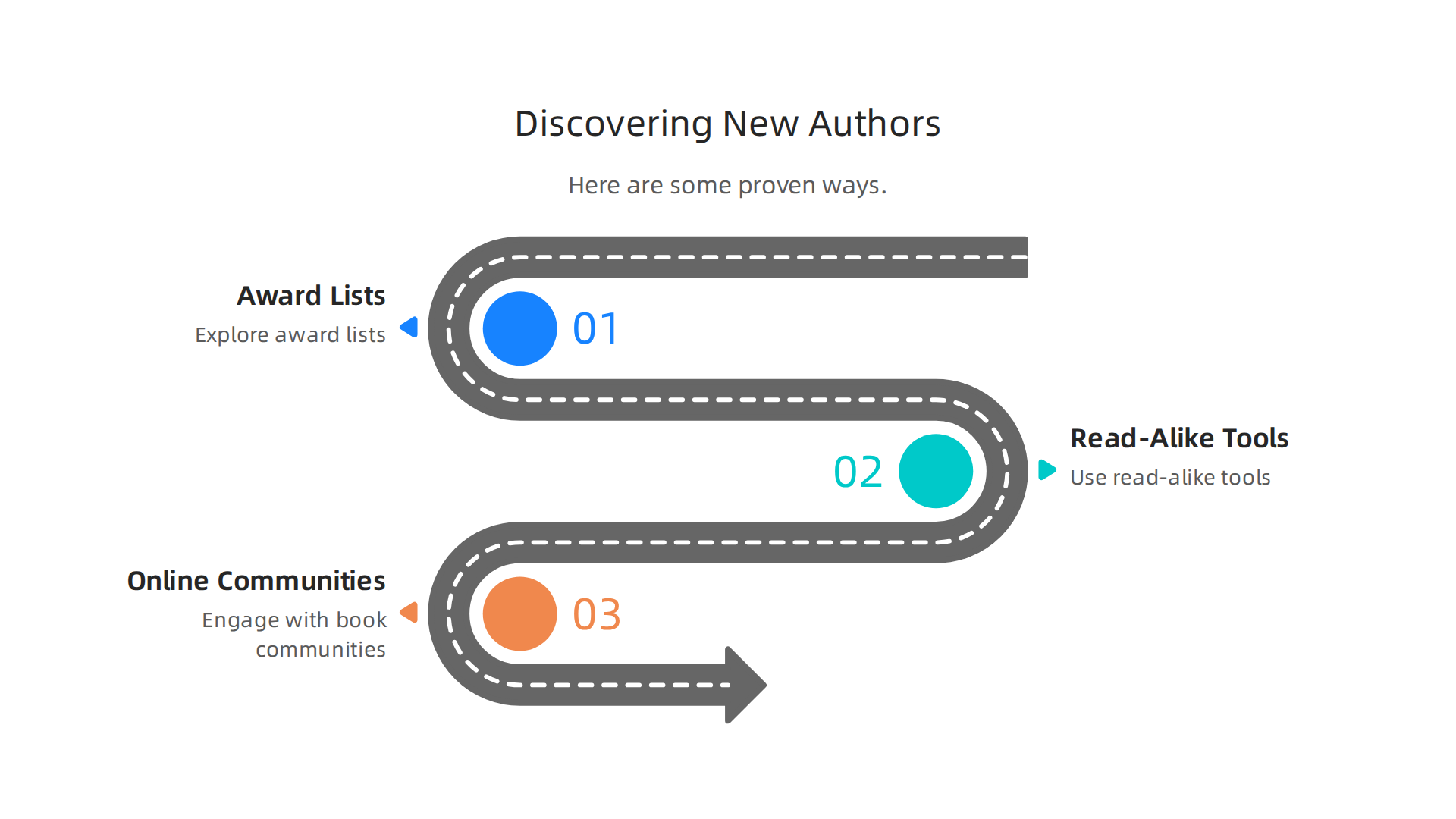
Start with award lists. The Newbery Medal and the Printz Award are gold mines for quality books. Libraries and bookstores rely on them for good reason. You can find teen book recommendations from trusted sources like the Young Adult Library Services Association. These lists cut through the noise.
Use read-alike tools. Websites like Goodreads or Biblionasium let kids share reviews and find books that match their taste. They are great for beating what readers call discovery paralysis.
Join online communities. Real people give better suggestions than algorithms. A 2025 article on online communities for book lovers highlights how groups and forums help you find hidden gems. For kids ages 8 to 14, an online book club can turn reading into a shared adventure.
You can also browse our list of books like Percy Jackson to find more series that match a similar tone. But really, the best next step is to keep exploring and trusting your instincts.
Ready to find your next great read? Browse our recommendations to discover books that hit the same sweet spot as your favorites.
Leveraging Goodreads and Online Communities
Taking that idea further, Goodreads is a powerful tool for finding your next read. The site is full of user-created lists and shelves that match very specific tastes. Want books like Kate DiCamillo books that deal with friendship? Or something like Coraline book review style spooky but not too scary? Someone has made a list for that. These crowdsourced recommendations are often more honest than algorithm guesses.
But the real magic happens in online communities.

For example, subreddits like r/childrensbooks and Facebook groups for kid lit fans offer niche suggestions you cannot find anywhere else. A 2025 article on online communities for book lovers explains how these groups help you discover hidden gems. For teens, sites like Bookish Websites and Blogs for Teens point to fresh YA picks.
A big worry is trust. But here is the thing. Moderation and real user reviews in these communities actually help filter quality. People share honest opinions, and the group votes up the best suggestions. You get recommendations from real readers, not just marketing.
So if you loved E Lockhart books or Dog Man books and want more like them, join a group. Ask for suggestions. You will be surprised what you find.
Ready to find your next great read? Browse our recommendations to discover books that hit that same sweet spot.
Using Librarian and Educator Recommendations
Ever seen a small display at your local library with books like The Miraculous Journey of Edward Tulane or The Tale of Despereaux? That is not random. School and public librarians carefully curate those lists. They use their professional training to match kids with the right books. And when you see a staff pick, you can trust it comes from experience.
Librarians often look for books with high literary quality and wide appeal. For example, the American Library Association releases a Notable Children’s Books list each year. These titles are chosen by librarians who know what kids actually love to read. So if your child enjoyed Kate DiCamillo books like Because of Winn-Dixie, those same librarians can point you to similar heartfelt stories.
Educators also play a big role. Teachers create reading lists that connect to what students are learning in class. They pick books that build vocabulary, spark curiosity, and cover important themes. A research guide on diverse children’s literature shows how educators use book lists to expose kids to different cultures and perspectives. This adds real educational value beyond just entertainment.
The best part? These recommendations come from people who work with children every day. They are not algorithms. They are real experts who understand reading levels, interests, and what makes a story stick. Next time you are at the library, ask a children’s librarian for a suggestion. Or check out educator-curated book lists online.
For even more curated picks, browse our book recommendations to find titles that match your family’s reading style.
Overcoming Information Overload: Practical Strategies for Book Discovery
Here is the hard truth. With millions of books out there, finding your next great read can feel like looking for a needle in a haystack. A 2025 study by the National Literacy Trust found that only about 1 in 3 children aged 8 to 18 said they enjoyed reading. That is the lowest level since they started asking in 2005. Information overload is part of the problem. When families feel overwhelmed by choice, they often just give up. But you do not have to fight that battle alone. Here are three practical strategies to cut through the noise.
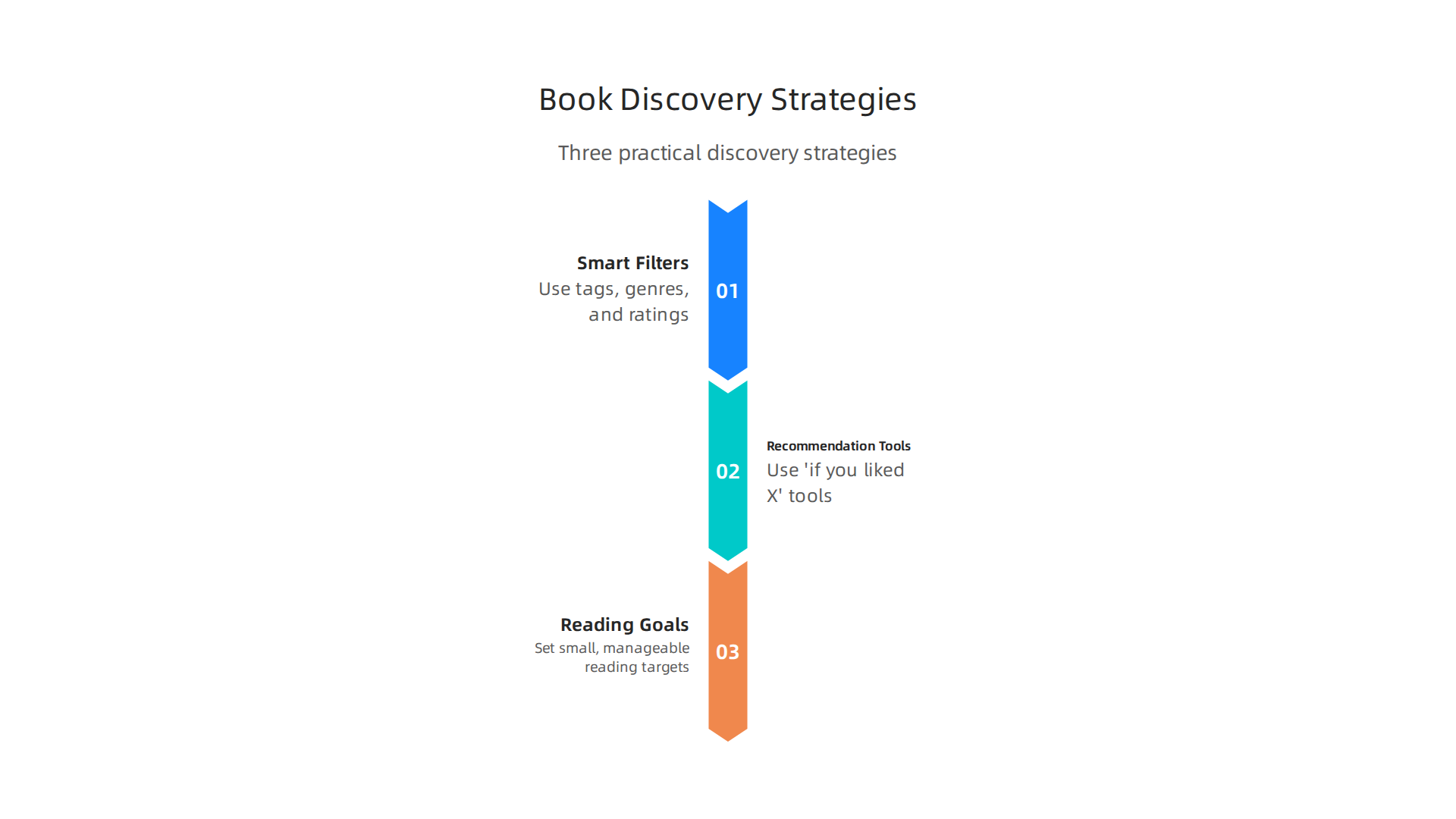
Strategy 1: Apply smart filters right away
Stop browsing aimlessly. Focus on proven quality signals like award winners, author series, and curated lists. For example, the American Library Association’s Notable Children’s Books list is updated each year by librarians who know what works. If your child loved the heartfelt storytelling in Kate DiCamillo books, look for other titles by the same author. Series are another great shortcut. Once your family finishes a series like Dog Man books, you already know the next book will deliver a similar experience. You can also check our comparison of Suzanne Collins vs. Rebecca Yarros to see which author fits your family’s taste.
Strategy 2: Use "if you liked X, try Y" tools
This is where smart databases and personalized services shine. Instead of scrolling through random bestseller lists, look for recommendation engines that match books based on what you already love. If your child enjoyed the imaginative world of a Wonder book, or if they loved the creepy fun in a Coraline book review, you can find similar titles through curated suggestion tools. Some libraries even offer personalized reading lists. You just tell them what your child liked, and they send back matched titles. If you enjoy E Lockhart books for their clever twists, a good recommendation service can point you to authors with the same energy. For a deeper dive into finding the right series, check out our guide to books like Percy Jackson that keep the adventure going.
Strategy 3: Set manageable goals and keep a to-read list
Getting overwhelmed often happens because you try to do too much at once. Set a simple goal. Maybe one book a week or two books a month. Then keep a running list of books you want to read. Use a notebook, a note on your phone, or an app. When you finish a book, pick the next one from your list. That way, you never stand in front of a shelf feeling lost. For classic picks that never go out of style, explore our article on timeless classic novels to fill your list with proven winners.
These three strategies turn chaos into a clear path. You stop searching and start reading.
Ready to find your next family favorite without the stress? Browse Recommendations for curated picks across fiction, fantasy, and sci-fi tailored to your reading style.
The Role of Trust in Book Recommendations: Avoiding Generic Algorithms
Algorithms are everywhere. You open Amazon or Goodreads, and they suggest books based on what everyone else bought. The problem? Algorithms push popularity, not quality. They do not know if your child loved the emotional depth of a Kate DiCamillo book or the silly humor of Dog Man books. They just know what sold well last week. That is why many readers end up with books that feel off.
Real trust comes from people who read and care. Think about award lists. The American Library Association’s Best Books for Young Adults list, for example, is put together by librarians who read hundreds of books each year. They pick based on story quality, not sales numbers. The same goes for guides like the diverse children’s literature guide from university libraries. Every book on that list is there for a reason.
Online communities also beat algorithms hands down. Sites like Biblionasium let kids share honest reviews with each other. No algorithm, just real opinions from real readers. The BookBrowse article on online communities highlights how book clubs and forums give you recommendations backed by discussion. When someone explains why they loved a Wonder book, you can decide if it fits your taste.
For teens, libraries often run dedicated programs. The Toledo library teen recommendations page lists titles chosen by YALSA, the Young Adult Library Services Association. Those books pass a strict quality check. If your teen enjoyed the clever twists in E Lockhart books, a list like that can point to similar reads without the noise.
You can also find human-curated lists right here. For example, our guide to books like Percy Jackson is built by people who know the genre. Each recommendation explains why it works. Compare that to an algorithm that just shows you "customers also bought." Which one feels safer?
The bottom line? Trust people who read deeply. Use librarians, award panels, and active communities. They will never suggest a book just because it is popular. They suggest books because they are worth your time.
Ready to skip the algorithm and get real recommendations? Browse Recommendations for curated picks across fiction, fantasy, and sci-fi tailored to your reading style.
What Makes a Children’s Book a Classic? Insights and Criteria
So you know to trust real readers over algorithms. But how do you tell which books are truly worth your time? What separates a passing trend from a book your grandkids will also love?
The answer lies in what experts call classic criteria. The American Library Association defines "notable" children’s books as those that are "distinguished, outstanding" and "worthy of note or notice." That is a good start. But true classics go deeper.
Here are the key traits that separate the best from the rest.
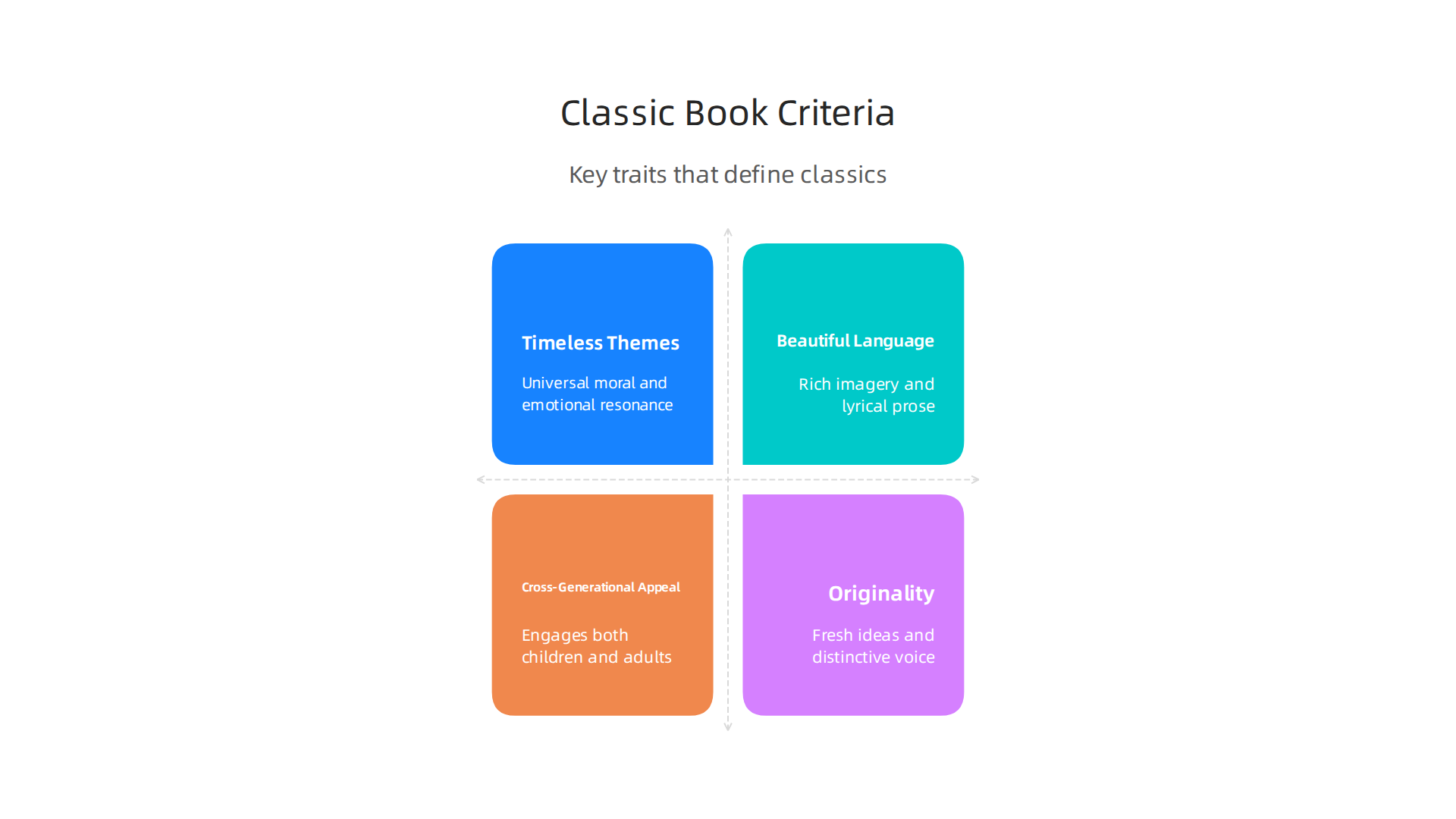
Timeless themes that speak to every generation. Classic children’s books tackle big ideas like friendship, courage, loss, and identity. These themes never get old. A Kate DiCamillo book like Because of Winn-Dixie explores loneliness and belonging in a way that feels just as true today as when it was published. The same goes for a Wonder book by R.J. Palacio. That story about kindness and facing difference will still matter in twenty years.
Beautiful language that respects young readers. Great children’s books do not dumb things down. They use rich vocabulary and rhythm that make reading aloud a joy. According to one analysis of what makes a good children’s book, the best ones use "authentic language" and "believable characters" that feel real. That is why a Coraline book review will always mention Neil Gaiman’s precise, eerie prose. He trusts kids to handle complexity.
Cross-generational appeal. A true classic works for both a seven-year-old and a seventy-year-old. Parents enjoy reading Dog Man books because of the clever humor layered for adults. Teens and adults alike lose themselves in the sharp plot twists of E Lockhart books. When a book pulls in multiple age groups, you know it has staying power.
Originality and emotional truth. The best children’s books do not copy what came before. They carve new ground. The ERIC database lists ten criteria for reviewing children’s books, including "scope, tone, and style, point of view." Originality shows up in all of these. And emotional truth means the story does not fake its feelings. The sad parts actually hurt. The happy parts feel earned.
Rereadability. This might be the most telling sign. A classic rewards a second, third, or tenth reading. You notice new details each time. The jokes still land. The ending still hits you in the chest. That is why we keep returning to books like Charlotte’s Web or The Giver. They are not one and done.
When you understand these criteria, you stop chasing bestseller lists. You start looking for books that actually last. And that is where curated recommendations come in.
Want to find books that will still matter years from now? Browse Recommendations for handpicked classics and modern masterpieces across fiction, fantasy, and sci-fi.
Summary
This guide explains why Kate DiCamillo is an ideal entry point for children’s and middle-grade readers and shows you how to find more books that capture the same warmth and emotional clarity. It covers DiCamillo’s range—from picture books and early chapter books to award-winning middle-grade novels—why awards like the Newbery matter, and the recurring themes that give her stories lasting appeal. The article then walks through practical discovery methods: using award lists, read-alike tools, Goodreads and online communities, and librarian or teacher recommendations. It offers concrete strategies to cut through information overload and avoid algorithm-driven suggestions that prioritize popularity over fit. By the end, readers will know which DiCamillo titles to try, how to find similar authors, and simple steps to build a trusted, manageable reading list for kids and teens.