
Jack London Books: Explore His Essential Works and Lasting Legacy
Overview
Why Jack London Still Matters: Framing the Legacy
Have you ever picked up a book that takes you to a wild, untamed world, full of adventure and tough characters?

Many of the thrilling stories we love today, especially ones about nature and survival, owe a lot to a writer named Jack London. He was a very important American author in the early 1900s. His stories helped shape popular kinds of books we still enjoy, like adventure tales, science fiction, and even books about animals. Jack London’s own life was full of adventure too, from sailing the seas to searching for gold, and these experiences made his stories feel very real and powerful.
You might know some of his most famous jack london books, like The Call of the Wild or White Fang. But there’s so much more to learn about his work and how it still affects books written today. In 2026, London’s stories still grab our attention because they talk about big ideas like courage, fairness, and the struggle to live. Many people have studied how much he changed literature, showing his lasting impact on the world of books Earle Labor on Jack London Studies.
This article will take a close look at the most important jack london books and the big ideas found in them. We’ll explore how his writing influenced other authors, from the way they tell stories to the kinds of heroes they create. We’ll also give you some easy tips on which of his books to read first, and how to understand them better. This way, you can fully enjoy his powerful stories and see why he’s still talked about when we discuss the 100 best novels. If you’re wondering how to pick out good classic books you’ll truly like, we’ll help with that too. It’s time to discover why Jack London’s tales are still some of the best books modern fiction has to offer, even a century later.
A Brief Biography: Context That Shapes the Books
To truly understand the exciting jack london books, it helps to know a little about the man himself. Jack London’s life was just as adventurous and tough as the stories he wrote. He was born in San Francisco, California, in 1876. His childhood was not easy. He started working at a very young age to help his family, doing jobs like canning, working in a jute mill, and even shoveling coal. These hard times taught him a lot about the struggles of poor people and those who work tough jobs.
London’s spirit for adventure showed up early. He became an "oyster pirate" for a time, then joined the California Fish Patrol. At just 17, he signed up to sail on a sealing schooner to Japan and the Bering Sea. This trip gave him a taste of life at sea and the raw power of nature, experiences that would later fill his famous adventure stories.
Later, in 1897, London joined the Klondike Gold Rush in Canada. While he didn’t strike it rich with gold, this time in the freezing wilderness was incredibly important. He saw firsthand the harsh conditions, the fight for survival, and the strong bonds (or bitter fights) between people and animals in extreme cold. These memories became the heart of some of his most loved jack london books, like The Call of the Wild and White Fang. You can often see how much of his own life went into his writing by looking at things like his personal Diaries and Correspondence Research Guide.
London was also a deep thinker who believed in socialist ideas. He saw the unfairness in society and wrote about it in many of his works, exploring themes of social class, labor rights, and the idea of "survival of the fittest" not just in nature, but in cities too.
His busy life of travel, hard work, and strong beliefs happened alongside his writing career. The ideas and feelings from his real-life adventures started showing up in his stories from the late 1890s onward. Knowing about his journey helps us see why his characters are so tough and why his stories about courage, nature, and standing up for yourself still resonate with readers today. It also makes it easier to figure out how to choose classic books you’ll actually love, because you understand the author’s world better.
Major Works and Where to Start: A Reader’s Map
Now that we know a bit about the adventurous life of Jack London, it’s easier to see how his experiences shaped his stories. If you’re ready to dive into his world, figuring out where to start among all the jack london books can be a fun challenge. London was a writer who produced a lot, giving us more than fifty books in his lifetime, including novels and short stories.
For many readers, the best place to begin is with his most famous tales of the frozen North.
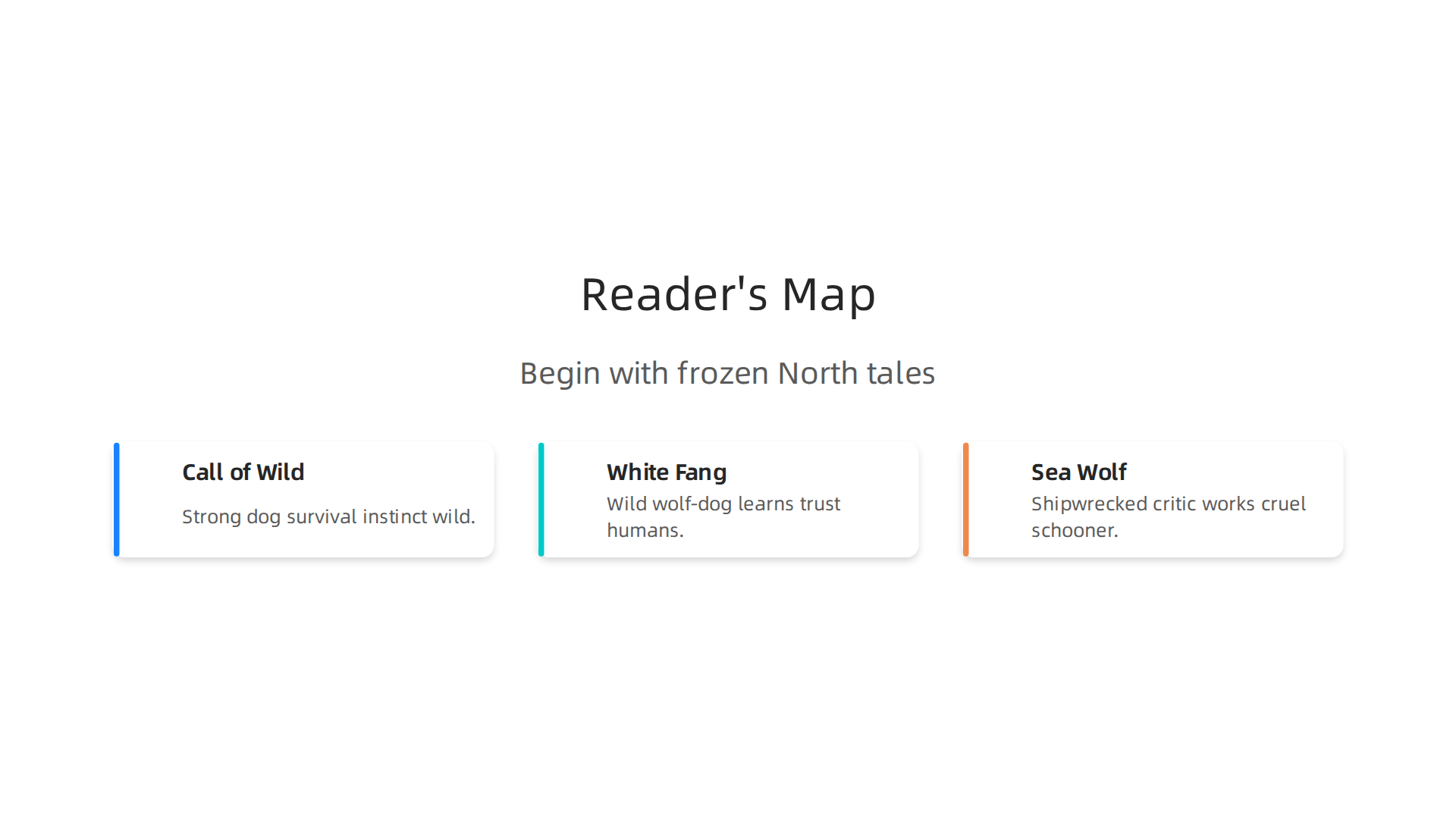
These stories come directly from his time in the Klondike Gold Rush.
Essential Jack London Books to Explore First
- The Call of the Wild (1903): This is likely the most famous of all Jack London’s books. It tells the story of Buck, a strong dog from California who gets taken to the Yukon during the gold rush. It’s a powerful tale about survival, instinct, and what it means to be wild. This book has made London famous around the world, as noted in his Jack London Biography, Books, & Facts.
- White Fang (1906): Often seen as a companion to The Call of the Wild, this book tells the story from the perspective of a wild wolf-dog named White Fang who slowly learns to trust humans. It explores similar themes of wilderness versus civilization, but in reverse.
- The Sea-Wolf (1904): If you’re looking for adventure beyond the snow, The Sea-Wolf takes you to the high seas. It’s a dark and exciting story about a literary critic who gets shipwrecked and forced to work on a sealing schooner under the cruel Captain Wolf Larsen. It shows London’s interest in strong characters and the fight for survival in a different, equally harsh setting.
These three novels are great examples of what makes London’s writing so special. They are full of action, memorable characters, and deep ideas about nature and human strength. They truly stand out among the best books modern fiction has to offer.
Don’t Forget the Short Stories
Besides his novels, London also wrote many excellent short stories. In fact, his very first book, published in 1900, was a collection called The Son of the Wolf: Tales of the Far North. These shorter pieces often capture the same adventurous spirit and themes as his longer works. They are a good way to quickly get a feel for his writing style. If you want to explore more of his extensive work, you can find a comprehensive list that even details Jack London Books in Order.
Jack London was a very active writer, publishing many works, as noted by Jack London – Wordsworth Editions. His stories continue to be read today because they speak to timeless ideas of courage, survival, and the call of adventure. These jack london books often appear on lists of the 100 best novels for good reason. If you enjoy discovering classic authors, learning how to pick books you’ll genuinely connect with is key to a great reading journey. To learn more about selecting great reads, check out our guide on how to choose classic books you’ll actually love.
Close Reads: Themes, Styles, and Literary Significance
After choosing which of the jack london books to dive into first, it’s helpful to look closer at what makes them so powerful. Jack London’s stories are more than just exciting adventures. They explore big ideas and use a special way of writing that makes them stick with you.

Deep Themes in London’s World
London’s works often share important ideas that he believed in strongly.
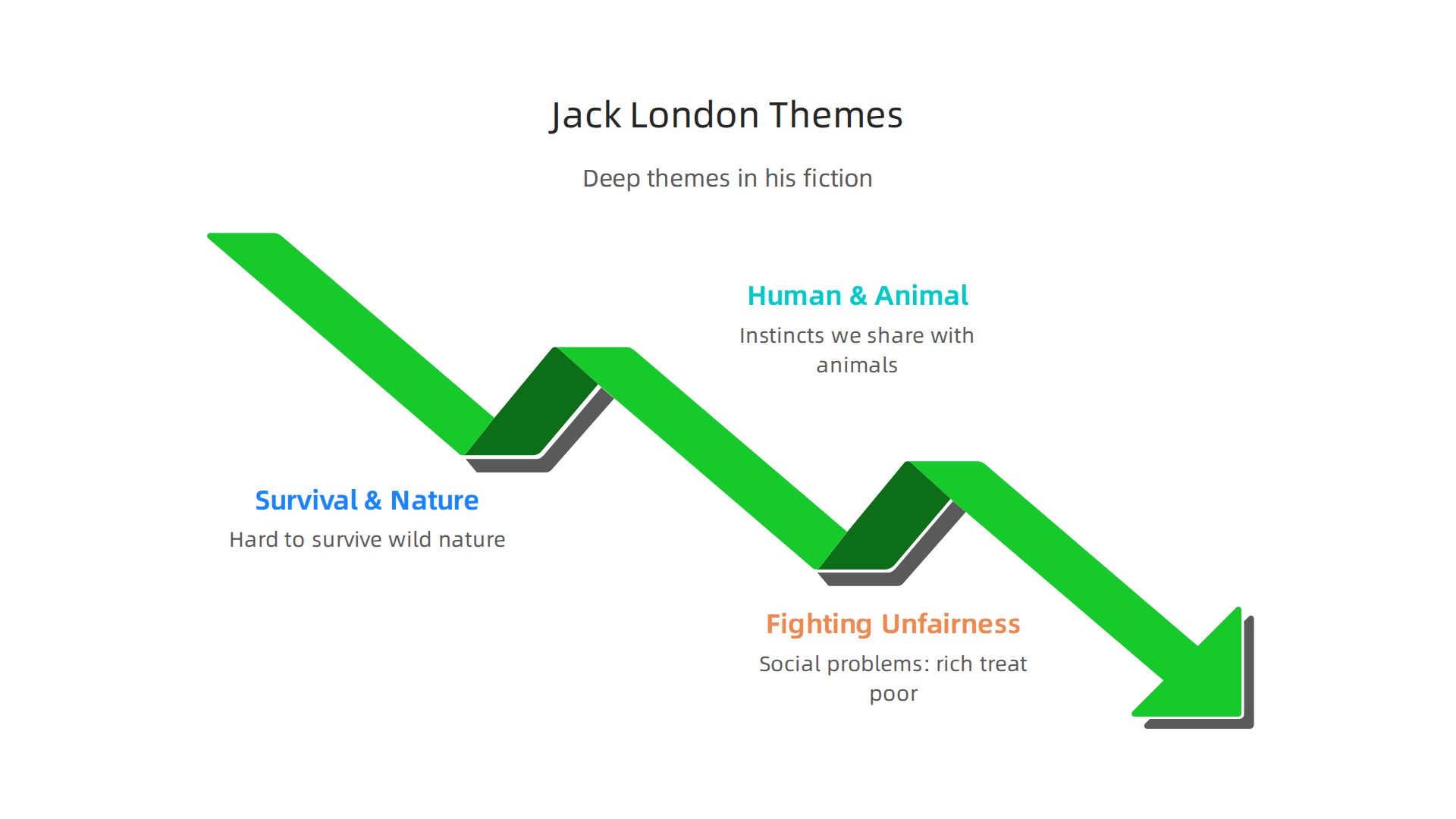
You’ll find these ideas woven into the lives of his characters, whether they are people or animals.
- Survival and Nature’s Power: A main theme is how hard it is to survive, especially when facing wild nature. London often showed nature as a powerful, sometimes cruel, force that doesn’t care about human feelings. His characters fight against cold, hunger, and other dangers. This idea, sometimes called naturalism, suggests that our surroundings and our basic instincts often control our lives, as noted in general discussions of his work by Jack London – Wikipedia.
- The Line Between Human and Animal: Think about Buck in The Call of the Wild or White Fang. London was very interested in the instincts we share with animals. He explored what happens when people are pushed to their limits, making them rely on their most basic, wild selves. This theme often makes readers think about what it truly means to be human.
- Fighting Against Unfairness: London also cared a lot about social problems, like when rich people treated poor workers badly. Though his adventure stories are exciting, they often hint at his belief in fairness and his socialist views. He wanted people to see the struggles of those who had less.
London’s Unique Writing Style
Jack London had a way of writing that pulled readers right into the action.
- Exciting Stories: He was a master at telling a fast-paced story. His plots are full of action, danger, and suspense, making it hard to put his books down. He knew how to keep readers hooked from the first page to the last.
- Strong, Simple Language: London’s writing is often clear and direct. He didn’t use many fancy words, but his descriptions were vivid, making you feel like you were right there in the frozen Yukon or on a stormy sea.
- Mixing Fun with Serious Ideas: One of London’s great skills was his ability to write popular adventure stories that also held deeper messages. He didn’t just entertain; he made people think about important things like courage, honesty, and the fight for a better life. This balance is a big reason why his novels are still considered among the 100 best novels and endure as best books modern fiction has to offer.
Jack London’s impact on literature is huge because his compelling stories and deep themes speak to readers across generations. While authors like F. Scott Fitzgerald explored the glittering lives of the rich, London focused on the raw struggle of existence, showing a different side of American experience that continues to resonate.
After understanding the deep ideas and special writing style in Jack London’s stories, you might be ready to start building your own collection of his works. But when you go to buy a book, you’ll see there are many different kinds of editions. Knowing the differences can help you pick the right ones, whether you just want to read a good story or you’re a serious collector.
Different Kinds of Jack London Books
Finding the perfect jack london books can be fun, but it helps to know what to look for.
- Popular Editions and Modern Reprints: These are the most common versions you’ll find today, often sold in bookstores or online. They are usually affordable paperbacks or simple hardcover books. They focus on giving you the story clearly and simply. These are great for casual readers who just want to enjoy the adventure without spending a lot of money. The printing is usually clear, and the covers are updated.
- Annotated Scholarly Editions: If you want to dive deeper into London’s work, you might look for a scholarly edition. These books often come with extra parts, like introductions written by experts, notes explaining old words or ideas, and details about how the story changed over time. For example, knowing the literary theories behind his writing can offer a deeper understanding, as explored in analyses of Jack London’s novels. These editions are perfect for students or anyone who loves to learn more about the author and the time period. They help readers understand the important ideas, like how London showed "survival of the fittest" in his stories, a theme often studied in his famous works like The Call of the Wild as noted in "Naturalism Presented in The Call of the Wild."
- Collector’s Editions and Older Prints: For those who collect books, older or special editions are exciting.

These might be first editions, special printings with unique artwork, or beautiful hardcover books made with fancy materials. These often cost more money and are bought for their look and history, not just for reading. They might show you how people saw London’s stories years ago.
Tips for Choosing Your Jack London Books
When you pick out your next jack london books, think about what you want from them.
- For the Casual Reader: If you just want to read the story, any modern paperback or e-book will do. Look for clear print and a comfortable size. You don’t need to worry too much about extra notes or fancy covers. Focus on finding a version that’s easy to read and carry.
- For the Student or Deep Thinker: Choose an annotated or scholarly edition. These will give you lots of extra information that helps you understand the book better. Look for editions with good introductions that set the scene, notes that explain things, and maybe even maps if the story travels to different places.
- For the Collector: If you love collecting, you’ll be looking for specific things like the book’s condition, whether it’s a first edition, and if it has a dust jacket. The older and rarer the book, the more special it usually is. Always check the publication date and publisher information. Sometimes, older books might have different small changes in the story or even different words. These are called "textual variants" and can be interesting for those who study books closely.
When you think about classic jack london books, you might see how his stories of adventure and strong characters still touch people today. But his impact goes further than just the pages of his own books. Jack London’s way of writing and the big ideas in his stories helped shape other writers and even how we tell stories in movies and on TV.
How London’s Stories Shaped Other Writers
Jack London was known for writing about tough people in wild places, often showing how nature can be both beautiful and cruel. He wrote about "survival of the fittest" and what it means to be truly free. These themes, or big ideas, showed up in many other writers’ works. Think about stories of people facing challenges in nature or tales where the main character learns a lot about themselves through hardship. London’s clear, strong writing style also taught others how to make a story exciting and real. He was one of the 10 best selling authors of all time for a reason, showing readers the untamed parts of the world.
His influence can be seen in many adventure novels that came after him. He paved the way for stories where animals are main characters, like in his famous The Call of the Wild. Writers today still look to his works when they want to tell tales of bravery, struggle, and the wild heart of humanity. Many people, even now in 2026, find his work a good starting point for exploring the Jack London Books in Order: The Complete Reading Guide to truly grasp his journey as an author.
Jack London’s Adventures on Screen
It’s no surprise that London’s exciting stories have been turned into movies, TV shows, and even comic books many times. His tales have strong pictures in your mind: sled dogs fighting against the snow, sailors battling the sea, and people finding gold in frozen lands. These kinds of images are perfect for the screen.
His most famous book, The Call of the Wild, has been made into films and TV shows more than 12 times since 1923, showing how much people love his work on screen. In 2020, there were even new adaptations of The Call of the Wild and Martin Eden, trying to keep the true spirit of London’s characters alive, as noted in "Jack London’s Return to the Screen". Filmmakers and TV producers love to bring London’s narratives to new audiences. They often try to keep the main message while making small changes to fit the times. For example, some adaptations might focus more on the beauty of nature, while others might highlight the harshness of human life. These adaptations help keep his stories alive and introduce them to new generations who might not pick up a book first.
Jack London’s powerful writing style and themes keep inspiring imaginative stories, whether you’re reading his classic jack london books or watching one of the many movies based on them. If you enjoy stories that take you on a wild ride and explore deep ideas, you might also enjoy new adventures.
A strange, warm, absurd adventure for imaginative readers. Try a Funny Sci-Fi Series.
Jack London’s powerful writing style and themes keep inspiring imaginative stories, whether you’re reading his classic jack london books or watching one of the many movies based on them. If you enjoy stories that take you on a wild ride and explore deep ideas, you might also enjoy new adventures.
A strange, warm, absurd adventure for imaginative readers. Try a Funny Sci-Fi Series.
Practical Reading Guide: Routes, Pairings, and Book-Club Prompts
So, you’re ready to dive into the world of Jack London? That’s great! Knowing how to start can make your reading even better. Here’s a simple guide to help you explore his amazing stories.
Different Ways to Read Jack London Books
You can read Jack London’s books in a few ways, depending on what you’re looking for:
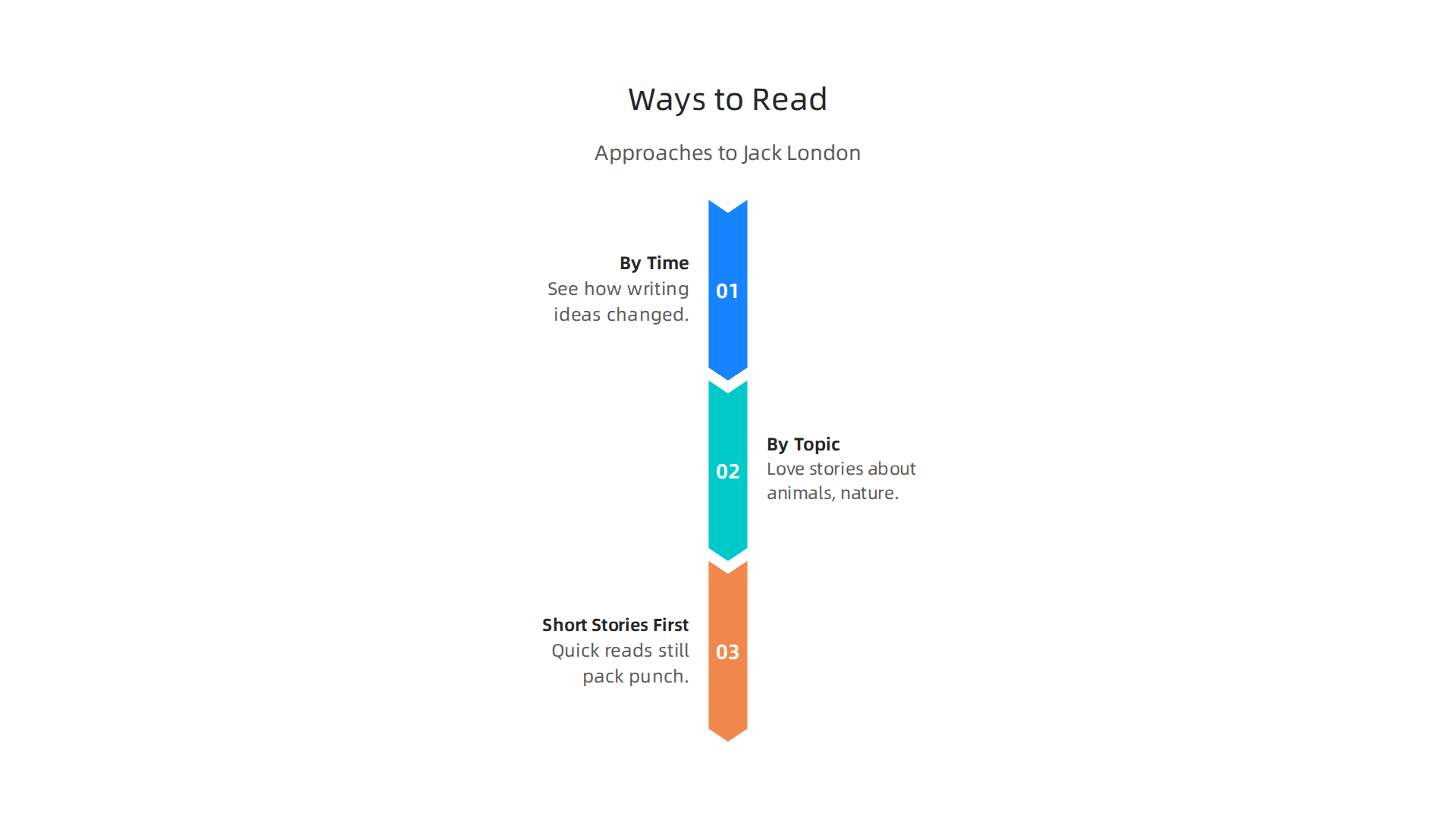
- By Time (Chronological): Start with his earlier works like The Son of the Wolf (1900) and move forward. This way, you can see how his writing and ideas changed over time.
- By Topic (Thematic): If you love stories about animals, start with The Call of the Wild and White Fang. If you’re into tough struggles against nature, try "To Build a Fire" or The Sea-Wolf. London’s works often explore themes of naturalism, showing how people and animals survive in harsh environments, often battling against their surroundings and inner thoughts, as discussed in an Analysis of Jack London’s Novels.
- Short Stories First: Many people find London’s short stories a great way to begin. They are quick reads that still pack a punch. "To Build a Fire" is a perfect example of his focus on survival and the power of nature, as noted in "Jack London (1876 – 1916) – American Literatures After 1865".
For Your Book Club: Talk and Compare
Jack London’s books are fantastic for book clubs because they make you think.
-
Discussion Ideas:
- How do his characters change when they face really hard times?
- What do his stories say about the wild parts of nature and the wild parts inside people?
- London often wrote about how people survive, showing that life is a big fight for many. What do you think about his ideas of "survival of the fittest"? A key part of his writing style, known as Naturalism, focuses on these struggles, especially in stories like The Call of the Wild, as explained in Naturalism Presented in the Call of the Wild.
- What lessons can we learn from his adventure tales in 2026?
-
Book Pairings:
- Read one of London’s nature stories, then compare it to a modern survival story.
- Pair The Call of the Wild with another classic where animals are important, to see how different authors explore animal minds.
- You might even want to compare London’s writing style and big ideas to other authors from his time. Learning How to Choose Classic Books You’ll Actually Love can help your club find more great reads.
Jack London’s stories are more than just adventures; they’re deep dives into what it means to be alive. They make us think about our place in the world and what we’re truly capable of.
Need a new genre escape? Need a New Genre Escape?
Summary
This article explains why Jack London remains a major figure in modern literature, tracing how his adventurous life and socialist beliefs shaped powerful stories about survival, nature, and social struggle. It highlights the essential novels—The Call of the Wild, White Fang, and The Sea-Wolf—alongside notable short stories, and shows how London blended fast-paced plots with plain, vivid language to explore deep ideas. You’ll get practical guidance on which works to read first, how to approach themes of naturalism and the human/animal boundary, and tips for choosing editions whether you’re a casual reader, student, or collector. The piece also covers London’s influence on other writers and screen adaptations, plus book-club questions, reading routes, and pairing suggestions to help you get more from his work in 2026 and beyond.